Electrolytes for Horses: When, Why, and How to Supplement
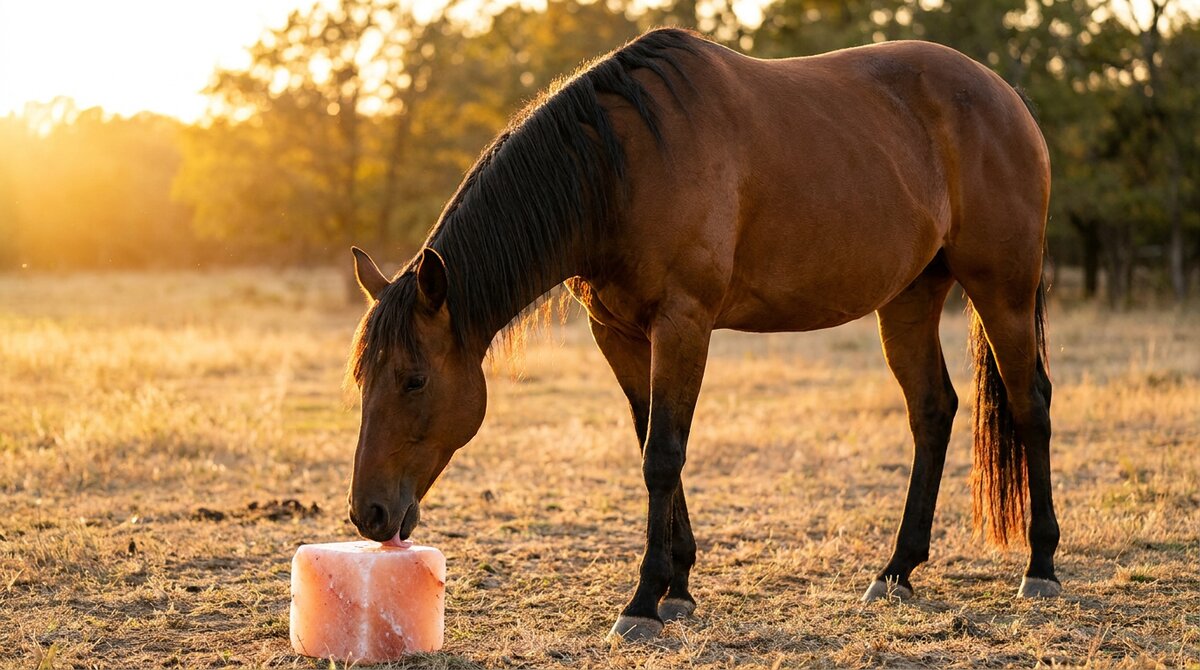
A horse doing moderate work on a hot day can lose 10 to 15 liters of sweat per hour. That sweat contains 3 times more sodium, 5 to 10 times more potassium, and 8 to 10 times more chloride than human sweat. And unlike humans, horses do not reduce electrolyte concentration as sweating continues. Every liter of sweat that leaves is loaded with the same high mineral content as the first. This is why horses are uniquely vulnerable to electrolyte depletion, and why tossing a salt block in the field and calling it a day falls short for any horse that works, sweats, or lives in a hot climate.
What Are Electrolytes and Why Do They Matter?
Electrolytes are minerals that dissolve in body fluids and carry an electrical charge. They regulate nerve transmission, muscle contraction, fluid balance, and blood pH. The five key electrolytes for horses are sodium (Na+), chloride (Cl-), potassium (K+), calcium (Ca2+), and magnesium (Mg2+). Lose too much of any one and the body starts malfunctioning in ways that range from subtle performance loss to life-threatening metabolic crisis.
Sodium and chloride are the ones horses cannot get enough of from forage alone. Pasture grass and hay contain 0.01% to 0.1% sodium on a dry matter basis, while a horse at maintenance needs 0.1% of its diet as sodium. The math does not work. Every horse needs supplemental sodium chloride year-round, full stop. Potassium, by contrast, runs high in fresh pasture (1.5% to 3% of dry matter) but drops in hay, particularly hay that was rained on during curing.
Horse Sweat: A Unique Problem
Human sweat is hypotonic, meaning it has a lower mineral concentration than blood. Horse sweat is hypertonic. It pulls more minerals per unit volume than the blood contains proportionally. Research from the University of Guelph measured equine sweat composition at approximately 3.1 grams sodium, 5.5 grams chloride, 1.2 grams potassium, and 0.1 grams calcium per liter.
Here is the kicker: horses also lose plasma protein in their sweat, which is why heavily sweating horses develop that lathered, foamy look. The protein creates surface tension. As fluid leaves the vascular system, blood becomes more concentrated. A horse that has lost 5% of body weight in sweat (about 25 liters for a 1,100-pound horse) has significantly thickened blood, reduced cardiac output, and compromised thermoregulation. Performance drops well before that point, measurably after just 2% fluid loss.
When to Supplement
Daily Baseline: Every Horse, Every Day
Every horse should receive 1 to 2 ounces (28 to 56 grams) of plain salt daily. Loose salt is preferred over blocks because horses have smooth tongues (unlike cattle) and struggle to consume adequate salt from a block. Studies show horses voluntarily consume 30% to 50% less salt from blocks compared to loose salt offered in a separate container.
You can add loose salt directly to feed. Start with 1 tablespoon (roughly 15 grams) and increase to 2 tablespoons over a week. Some horses dislike the taste initially and will need gradual introduction.
During Exercise
For moderate work (30 to 60 minutes of trotting, cantering, schooling), provide a balanced electrolyte product either in feed before exercise or as a paste or syringe after exercise. For intense work (eventing, endurance, polo), electrolyte supplementation before, during, and after is standard practice.
Endurance riders typically dose electrolytes every 1 to 2 hours during competition. The American Endurance Ride Conference recommends providing electrolytes at least 30 minutes before a vet check so the horse has time to drink, as electrolyte administration stimulates thirst (which is the point).
Hot Weather
Even idle horses sweat in high heat and humidity. When the combined temperature (Fahrenheit) and humidity percentage exceed 150, horses begin struggling to thermoregulate. Above 180, sweat evaporation becomes ineffective and heat stress risk climbs sharply. Increase salt supplementation by 50% to 100% during heat waves and ensure unlimited access to clean water.
During Transport
Trailering is deceptively stressful. Studies from Colorado State University found that horses traveling for 6 hours lost an average of 4.5% body weight, primarily from respiratory and sweat losses. Electrolyte supplementation before and after transport helps maintain hydration and reduces the risk of impaction colic that sometimes follows long trailer rides.
Choosing an Electrolyte Product
Read the ingredient list. The first ingredient should be sodium chloride (salt), not sugar, not dextrose, not apple flavoring. Many commercial electrolyte products are more than 50% sugar with minimal actual electrolyte content. These are expensive treats, not supplements.
What to Look For
A quality electrolyte product should provide, per recommended dose:
Sodium: 2,500 to 3,500 mg
Chloride: 4,000 to 6,000 mg
Potassium: 1,000 to 2,000 mg
Calcium: 100 to 500 mg
Magnesium: 50 to 200 mg
If the label does not list individual mineral amounts, skip it. You need to know what you are actually giving your horse. Products that list "electrolytes" as a general ingredient without specifying amounts are hiding behind vagueness.
The DIY Option
A simple homemade electrolyte recipe from Kentucky Equine Research: mix 2 parts table salt, 1 part lite salt (potassium chloride), and if desired, a small amount of crushed calcium carbonate (Tums, about 1 teaspoon per batch). Dose at 2 ounces of the mix in 1 gallon of water, offered alongside plain water (never as the only water source). This recipe approximates the sodium:chloride:potassium ratio lost in sweat.
Signs of Electrolyte Imbalance
Depletion Signs
Reduced thirst is the sneaky one. You would expect a dehydrated horse to drink more, but sodium-depleted horses actually lose the thirst stimulus and drink less, creating a vicious cycle. Other signs: poor skin turgor (the pinch test stays tented for more than 2 seconds), dry gums, elevated heart rate at rest (above 40 bpm), poor performance, muscle stiffness, and in severe cases, synchronous diaphragmatic flutter ("thumps"), which looks like rhythmic flank twitching synchronized with the heartbeat.
Excess Signs
Over-supplementation is uncommon in horses with free water access because they simply urinate out the excess. However, forcing electrolyte paste into a horse that has not been drinking, or providing electrolyte water as the only water source, can cause gastrointestinal irritation, diarrhea, and in extreme cases, hypernatremia (dangerously high blood sodium). Always ensure plain, fresh water is available alongside any electrolyte supplementation.
Special Situations
Anhidrosis (Non-Sweating Horses)
An estimated 2% to 6% of horses in hot, humid climates partially or completely lose the ability to sweat. These horses cannot effectively thermoregulate and are at high risk of heat stroke. Electrolyte supplementation alone does not fix anhidrosis, but maintaining proper electrolyte status is a component of management. One supplement containing dark beer (the traditional "Guinness treatment") provides B vitamins and has anecdotal support, though controlled studies are lacking. AC Concentrate, a tyrosine-based supplement, has shown more consistent results in peer-reviewed research.
Horses on Bute or Other NSAIDs
Phenylbutazone and other NSAIDs can impair kidney function and alter electrolyte handling. Horses on long-term NSAID therapy should have electrolyte levels monitored through periodic blood work. Supplementation protocols may need adjustment based on results.
Frequently Asked Questions
Can I just use Gatorade for my horse?
No. Human sports drinks have far lower sodium and potassium concentrations than equine sweat; the volume required would be impractical and the sugar load problematic. Use equine-specific electrolyte products.
Should I add electrolytes to my horse’s water?
Only if a second bucket of plain water is also available. Some horses refuse flavored water. Mixing into feed is more reliable for guaranteeing intake.
Do horses need electrolytes in winter?
Baseline salt (1–2 oz daily) is still required year-round. Extra balanced electrolytes are needed only if the horse is working and sweating under a winter coat.
How quickly can electrolyte depletion become dangerous?
Within 2–3 hours of hard work in heat and humidity. Synchronous diaphragmatic flutter (“thumps”) is an emergency requiring immediate rest, electrolytes, and veterinary assessment if unresolved.
📝 Explore more in our Courses. Check it out here.
Sources
- Geor, R.J. and McCutcheon, L.J. "Thermoregulation and Clinical Disorders Associated with Exercise and Heat Stress." Equine Sports Medicine and Surgery, 2nd ed., Saunders, 2014.
- Kentucky Equine Research. "Electrolyte Supplementation for Horses." ker.com
- Schott, H.C. "Fluid and Electrolyte Therapy." AAEP Proceedings, 2006. aaep.org
- University of Guelph Equine Research Centre. "Sweat Electrolyte Composition in Exercising Horses." uoguelph.ca
- Colorado State University Equine Sciences. "Transport Stress in Horses." equinescience.colostate.edu
Last reviewed: April 2026