Equine Influenza: What Every Horse Owner Needs to Know in 2026
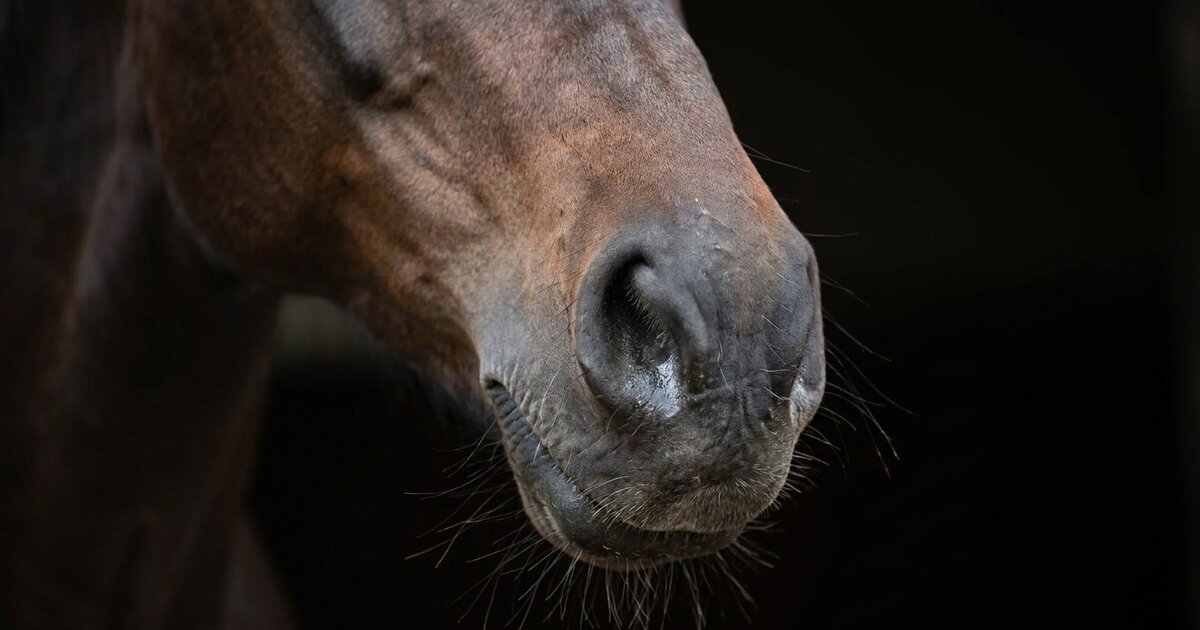
The phone calls started coming in March. A barn in Kentucky reported six horses with fevers and harsh, dry coughs. Two weeks later, a training yard in Newmarket shut its gates after a cluster of cases ripped through 30 horses in under a week. By April, equine influenza alerts were stacking up across the United States and United Kingdom at rates that had veterinary epidemiologists paying close attention. If 2026 has reminded us of anything, it's that horse flu never really goes away. It just waits for the right conditions to flare back up.
The Virus Behind the Outbreak: H3N8
Equine influenza belongs to the influenza A family, and the subtype circulating in horses worldwide is H3N8. This virus has been infecting equines since at least the 1960s, when it was first isolated during a major outbreak in Miami in 1963. Unlike human flu, which juggles multiple subtypes simultaneously, horses deal almost exclusively with H3N8. An older subtype, H7N7, hasn't been detected in horses since the 1970s and is considered functionally extinct.
But don't let the single-subtype situation fool you into thinking the virus is static. H3N8 undergoes antigenic drift, accumulating small mutations in its surface proteins (hemagglutinin and neuraminidase) that allow it to partially evade immune recognition. This is exactly why a horse vaccinated three years ago with an older strain might still get sick when a drifted variant blows through the barn.
The World Organisation for Animal Health (WOAH, formerly OIE) maintains an expert surveillance panel that monitors circulating strains and recommends vaccine updates, similar to how the WHO tracks human flu. Current vaccine recommendations include Florida Clade 1 and Clade 2 strains, reflecting the two main lineages circulating globally.
How It Spreads: Faster and Further Than You Think
Equine influenza is breathtakingly efficient at transmission. An infected horse begins shedding virus before clinical signs even appear, typically within 24 hours of infection. Peak shedding occurs during the first 1-3 days of fever, when the horse is coughing explosively and generating massive aerosol clouds of virus-laden droplets.
Those droplets can travel remarkable distances. Under the right atmospheric conditions, with moderate wind and cool, humid air, infectious aerosol has been documented traveling up to 5 kilometers from the source. This is why outbreaks can jump between farms that share no direct horse-to-horse contact. Your neighbor's barn two miles down the road isn't as far away as it sounds when the wind is blowing your direction.
Fomite transmission adds another layer. The virus survives on surfaces, clothing, grooming tools, water buckets, and hands for up to 48 hours in cool conditions. A farrier visiting an infected barn in the morning can carry the virus to your farm that afternoon on boots and clothing.
The incubation period is brutally short: 1-3 days from exposure to clinical signs. This compressed timeline means that by the time you notice the first horse coughing, every horse in the barn has likely already been exposed.
Symptoms: What Horse Flu Actually Looks Like
The clinical picture of equine influenza is dramatic enough that experienced horsemen usually recognize it quickly, especially when multiple horses go down at once. Watch for these departures from normal vital signs:
- High fever: Temperatures of 102-106°F (39-41°C), often with a biphasic pattern where fever spikes, drops briefly, then spikes again
- Harsh, dry cough: This is the signature sound. Deep, nonproductive, and frequently described as "hacking" or "barking." It can persist for weeks after other symptoms resolve.
- Serous nasal discharge: Initially clear and watery, progressing to thick mucopurulent discharge if secondary bacterial infection develops
- Depression and lethargy: Horses stand with heads low, show no interest in feed, and appear genuinely miserable
- Muscle soreness and stiffness: Myalgia is common but often overlooked
- Limb edema: Mild ventral and distal limb swelling occurs in some cases
- Enlarged submandibular lymph nodes: Painful to palpation
In uncomplicated cases, fever resolves within 3-5 days, but the cough lingers. Three weeks minimum rest is the standard recommendation. Push a horse back to work too soon after influenza and you risk secondary bacterial pneumonia, a complication that can turn a self-limiting viral illness into a life-threatening emergency.
Foals, elderly horses, and immunocompromised animals face higher risks of severe disease. Donkeys and mules are also susceptible, and donkeys in particular may show less obvious clinical signs while still shedding virus heavily.
The 2026 Outbreak: Why Now?
Several factors have converged to fuel the current wave of equine influenza activity. Post-pandemic economics disrupted regular veterinary care for many horse owners, and vaccination compliance dropped measurably between 2020 and 2024. A generation of young horses entered training and competition circuits with incomplete or nonexistent vaccination histories.
Simultaneously, antigenic drift has continued. The H3N8 strains circulating in early 2026 show enough divergence from older vaccine strains that even some well-vaccinated horses are experiencing breakthrough infections. They tend to have milder disease, shorter shedding periods, and faster recoveries, but they still get sick, and they still transmit virus.
International horse movement compounds everything. Horses travel for breeding, racing, eventing, and sales across national borders routinely. A single imported horse incubating influenza can seed an outbreak at a busy competition venue where hundreds of horses from dozens of barns converge for a weekend.
Vaccination: Essential but Imperfect
Let's address the frustration head-on: vaccination against equine influenza does not provide bulletproof protection. This is not a failure of the vaccine concept. It's a reality of influenza virology. The virus changes, and vaccines play catch-up.
That said, vaccination remains the single most important tool for controlling outbreaks. Vaccinated horses that do become infected shed less virus for shorter periods, show milder clinical signs, and recover faster. At the population level, high vaccination rates slow transmission dramatically.
Current WOAH recommendations for equine influenza vaccines call for products containing both Florida Clade 1 and Clade 2 strains. Check with your veterinarian and review your horse's vaccination schedule to ensure compliance with these updated guidelines.
Standard vaccination protocol:
- Primary course: Two doses 4-6 weeks apart
- Third dose (booster): 5-6 months after the second dose
- Annual boosters thereafter (every 6 months for high-risk horses in competition or breeding environments)
- FEI regulations require vaccination within 6 months (+21 days) for competing horses
Modified-live intranasal vaccines are available in some markets and offer mucosal immunity that may provide faster onset of protection. These can be useful for rapid response during active outbreaks, though they carry their own set of considerations and contraindications.
Biosecurity at Shows and Events
Competition venues are ground zero for equine influenza transmission. Hundreds of horses from different immune backgrounds sharing air space, water sources, and stabling areas creates ideal conditions for viral spread. Smart biosecurity doesn't require paranoia, but it does require discipline.
Before the show:
- Confirm vaccinations are current (within 6 months)
- Take your horse's temperature for 3 days before travel; don't haul a horse with a fever
- Bring your own buckets, feed tubs, and grooming supplies
At the show:
- Minimize nose-to-nose contact between unfamiliar horses
- Don't share water sources, equipment, or tack
- Wash hands between handling different horses
- Park away from the main barn areas if stabling isn't required
- Monitor temperature twice daily
After the show:
- Isolate returning horses from the home herd for 14 days if possible
- Monitor temperatures daily during the isolation period
- Disinfect trailer, equipment, and clothing before re-entering the main barn
Quarantine Procedures When It Hits Your Barn
If equine influenza is confirmed or strongly suspected on your property, swift quarantine action limits the damage. The goal is simple: stop the virus from leaving your property and slow its spread between horses on-site.
Separate horses into three groups: confirmed sick, exposed but asymptomatic, and unexposed (if any exist). Handle the unexposed group first each day, the exposed group second, and the sick horses last. Change clothing and wash hands between groups. Dedicate equipment to each group.
No horses should leave the property for a minimum of 21 days after the last horse's fever breaks. This is hard. It means scratching from competitions, postponing sales, and delaying breeding shipments. But releasing a horse that's still shedding virus into the broader community is how regional outbreaks become national ones.
Notify your veterinarian immediately and report to state or national animal health authorities as required. Many jurisdictions classify equine influenza as a reportable disease.
Treatment: Mostly Supportive
There's no equine equivalent of Tamiflu. Treatment for horse flu is supportive care aimed at keeping the horse comfortable while its immune system clears the virus.
- Rest: Complete rest for a minimum of one week per day of fever, with a minimum of three weeks total. This old guideline exists because premature return to exercise damages healing respiratory epithelium and invites bacterial complications.
- NSAIDs: Flunixin meglumine (Banamine) or phenylbutazone to control fever and muscle pain. Don't mask fever to the point that you can't monitor disease progression.
- Hydration and nutrition: Offer palatable, dust-free feed. Soaked hay reduces airway irritation. Ensure adequate water intake.
- Antibiotics: Only if secondary bacterial infection develops (purulent nasal discharge, persistent fever beyond 5 days, abnormal lung sounds). Antibiotics do nothing against the virus itself.
- Environment: Good ventilation without drafts. Dusty, poorly ventilated barns worsen respiratory inflammation.
Frequently Asked Questions
Can equine influenza infect humans?
Equine H3N8 influenza is not known to infect humans. However, equine-origin H3N8 jumped to dogs in 2004, creating canine influenza, so cross-species transmission to other animals is possible. There is no documented human health risk.
How long is a horse contagious with flu?
Most horses shed virus for 7-10 days after the onset of clinical signs. Some can shed for up to 14 days. Vaccinated horses that develop breakthrough infections typically shed for shorter periods (3-6 days).
My horse is vaccinated. Why did it still get sick?
Influenza viruses mutate continuously through antigenic drift. If the circulating strain has drifted significantly from the vaccine strains, protection is reduced. On top of that, immunity wanes over time, and horses vaccinated more than 6 months ago may have suboptimal antibody levels.
Should I vaccinate during an active outbreak?
Yes, but understand the timing. It takes 7-14 days after vaccination for protective immunity to develop. During an active outbreak, vaccination of unaffected horses can help limit spread, but it won't protect a horse that's already been exposed. Consult your veterinarian for outbreak-specific protocols.
Is equine influenza fatal?
Fatalities from uncomplicated equine influenza are rare in adult horses. Deaths typically result from secondary bacterial pneumonia, particularly in very young foals, elderly horses, or animals with pre-existing respiratory disease. Mortality rates in well-managed outbreaks are well below 1%.
Equine influenza isn't going anywhere. The H3N8 virus will continue to circulate, mutate, and cause outbreaks. Your best defense is a combination of current vaccination, practical biosecurity habits, and the willingness to quarantine aggressively when cases appear. Explore the full equine respiratory system to understand exactly which structures this virus targets and why rest is so critical for recovery.
- WOAH (World Organisation for Animal Health). "Expert Surveillance Panel on Equine Influenza Vaccine Composition." OIE Bulletin, 2024-2026.
- Cullinane, A., and Newton, J.R. "Equine Influenza: A Global Perspective." Veterinary Microbiology, 2013.
- AAEP. "Equine Influenza." American Association of Equine Practitioners Infectious Disease Guidelines.
- Animal Health Trust / British Equine Veterinary Association. "Equine Influenza Surveillance Reports." 2025-2026.
- Merck Veterinary Manual. "Equine Influenza."
Stay Prepared
Equine influenza isn't going anywhere. The H3N8 virus will continue to circulate, mutate, and cause outbreaks. Your best defense is a combination of current vaccination, practical biosecurity habits, and the willingness to quarantine aggressively when cases appear. Explore the full equine respiratory system to understand exactly which structures this virus targets and why rest is so critical for recovery.
Sources
- WOAH (World Organisation for Animal Health). "Expert Surveillance Panel on Equine Influenza Vaccine Composition." OIE Bulletin, 2024-2026.
- Cullinane, A., and Newton, J.R. "Equine Influenza: A Global Perspective." Veterinary Microbiology, 2013.
- AAEP. "Equine Influenza." American Association of Equine Practitioners Infectious Disease Guidelines.
- Animal Health Trust / British Equine Veterinary Association. "Equine Influenza Surveillance Reports." 2025-2026.
- Merck Veterinary Manual. "Equine Influenza."
Want to stay ahead of equine diseases?
Our Health course covers infectious diseases, biosecurity, and prevention strategies.
Explore the Health CoursePro members only. Try Pro free for 7 days.