Herd Dynamics: How Horses Establish and Maintain Social Order
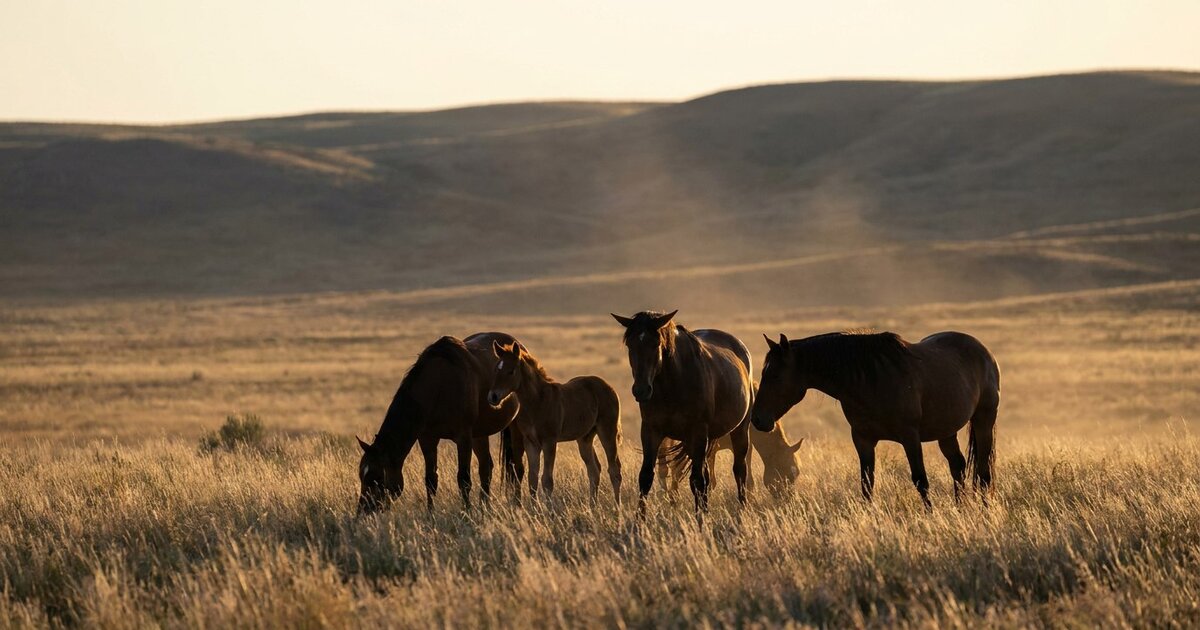
Watch a group of horses in a pasture for twenty minutes. You'll see ears pinned, necks snaked, and subtle shifts in position that most people completely miss. Horses are running a complex social system out there, and it has almost nothing to do with the "alpha horse" concept that's been oversimplified for decades. The real picture is more nuanced, more fluid, and honestly, way more interesting.
The Myth of the Alpha Horse
Let's get this out of the way. The old model of a single dominant stallion ruling a herd with iron hooves? It's incomplete at best. Research from the University of Rennes in France and multiple field studies on feral horse populations show that equine social structures are far more complex than a simple pecking order.
Feral herds typically consist of a band stallion, several mares, and their offspring. But the stallion isn't really "in charge" of daily herd movement. Studies tracking GPS-collared feral horses found that older, experienced mares most frequently initiated herd movement. The stallion's primary role centers on band defense and breeding, not day-to-day leadership.
In domestic situations, things shift even more. You're dealing with artificial groupings. Horses that didn't choose each other. Geldings mixed with mares. New arrivals disrupting established bonds. It's basically a college dorm situation, and the social negotiation never really stops.
How Hierarchy Gets Established
The First 48 Hours
When a new horse enters an established group, the most intense social negotiation happens within the first 24-48 hours. A 2012 study published in Applied Animal Behaviour Science found that 73% of agonistic interactions occurred in the first two days after introduction, dropping to baseline levels by day seven.
What does this look like? Squealing. Striking. A lot of trotting with arched necks and flagged tails. It looks dramatic, but actual contact aggression is relatively rare among healthy, well-socialized horses. Most of it is posturing. Threat displays. "I could hurt you, but I'd rather not" energy.
Displacement: The Core Mechanism
The primary way horses establish and maintain rank is displacement. Horse A moves toward Horse B. Horse B moves away. That's it. That's the fundamental unit of equine social hierarchy.
It happens at feed time constantly. One horse pins ears and shifts weight toward another. The subordinate horse steps off. No contact needed. Sometimes it's as subtle as a hard look from 15 feet away. Sometimes it takes a lunging charge. The intensity depends on how well the two horses know each other and how valuable the resource is.
Hay is a bigger deal than open grass. Water access during summer heat matters more than a shady spot in mild weather. Context changes everything.
Threat Signals vs. Actual Aggression
Horses have a graduated system of threat signals, and most interactions never escalate past the early stages:
Level 1: Ear pinning, hard stare, weight shift toward the other horse. This resolves about 65% of disputes.
Level 2: Head swinging, neck snaking, teeth bared. The classic "I'm serious" face.
Level 3: Lunging, biting attempts, kick threats with a lifted hind leg.
Level 4: Actual contact. Bites, strikes, kicks. This is rare in established groups and represents a failure of communication, not normal social interaction.
A well-functioning herd resolves 90%+ of conflicts at Levels 1 and 2. If you're seeing constant Level 3-4 aggression in your pasture, something is wrong. Overcrowding, insufficient resources, or a horse with poor socialization skills.
LevelBehaviorResolution Rate
Level 1Ear pinning, hard stare, weight shift toward other horse~65% of disputesLevel 2Head swinging, neck snaking, teeth baredMost remaining disputesLevel 3Lunging, biting attempts, kick threats (lifted hind leg)Uncommon in stable groupsLevel 4Actual contact — bites, strikes, kicksRare; indicates a problem (overcrowding, poor socialization)
It's Not a Straight Line
Here's where it gets really interesting. Equine hierarchy is not strictly linear. Horse A may dominate Horse B, and Horse B may dominate Horse C, but Horse C might dominate Horse A in certain contexts. Researchers call these "triangular" or "non-transitive" relationships, and they show up in about 20-35% of triadic relationships within domestic horse groups.
Dominance can also be resource-specific. One mare might control access to the best hay pile but defer to a different horse at the water trough. A gelding might be dominant in open pasture but submissive in a smaller paddock. Space changes the equation.
This is why the whole "be your horse's alpha" training philosophy is built on a shaky foundation. Horses don't think in terms of absolute rank. They think in terms of specific relationships, specific contexts, and moment-to-moment social calculations.
Affiliative Bonds: The Other Half of the Story
Dominance gets all the attention, but affiliative behavior is at least as important in equine social structure. Horses form genuine friendships. Preferred partners. Mutual grooming pairs.
Mutual Grooming
Allogrooming (mutual grooming) happens most frequently between horses of similar rank, not between dominant and subordinate animals. A study from the University of Zurich tracked grooming pairs and found that horses spent an average of 2-3 minutes per grooming session, typically focusing on the withers, neck, and mane base. These areas correspond to regions that reduce heart rate when scratched, confirmed by heart rate monitor studies.
Horses remember their grooming partners. Separate a bonded pair for weeks, reintroduce them, and they'll typically resume grooming within hours. That's not just habit. That's social memory.
Proximity Preference
Bonded horses maintain closer proximity. They graze within 1-3 horse lengths of each other. They stand head-to-tail for mutual fly protection. They synchronize rest periods, often lying down only when their preferred partner is standing guard nearby.
This buddy system is deeply important to equine well-being. Horses kept in isolation show elevated cortisol levels, increased stereotypic behaviors (cribbing, weaving, stall walking), and compromised immune function. A 2015 study found that solitary-housed horses had cortisol levels 30% higher than pair-housed horses.
Age, Experience, and Personality
Older horses tend to rank higher, but it's not automatic. A 16-year-old Thoroughbred mare who's been in the same pasture group for eight years carries social capital that a newly arrived 20-year-old doesn't have. Tenure matters.
Personality plays a huge role too. Bold, confident horses tend to achieve higher rank regardless of size. I've seen 14.1-hand ponies push around 17-hand warmbloods because confidence trumps physical size in equine social math. The warmblood could absolutely win a physical confrontation, but he'd rather not find out.
Breed differences show up in some research. A Spanish study found that Arabians tended toward more reactive, higher-frequency agonistic interactions, while draft breeds showed fewer but higher-intensity confrontations. Take breed generalizations with a grain of salt though. Individual variation is enormous.
Managing Herd Dynamics in Domestic Settings
Introduction Protocols
The best practice for introducing a new horse: adjacent turnout first. Fence-line contact for 3-7 days. Let them sniff, squeal, and sort out initial impressions with a barrier between them. Then introduce in a large, open space with no corners or dead ends where a subordinate horse could get trapped.
Remove all resources from the introduction area. No hay piles, no single water source. You want zero things to compete over during those critical first hours.
Space Requirements
Overcrowding is the number one cause of excessive aggression in domestic herds. The general recommendation is a minimum of 1 acre per horse for group turnout, but more is always better. Horses need room to maintain preferred distances and escape pressure from dominant herdmates.
Multiple feeding stations are essential. The rule of thumb: provide one more feeding station than the number of horses, spaced at least 30-40 feet apart. This prevents a dominant horse from controlling all resources and ensures every horse can eat without harassment.
When to Intervene
Normal herd dynamics involve some chasing, some ear pinning, and occasional minor scuffles. This is healthy social behavior. Don't intervene unless you're seeing sustained aggression that prevents a horse from accessing food, water, or shelter. Bite or kick wounds that break skin or cause swelling warrant separation. A horse standing alone, stressed, not eating, and unable to integrate after two weeks needs to be removed from that group.
Some horses are genuinely poor candidates for group turnout. Horses with limited early socialization, horses with chronic pain that makes them irritable, or horses with such extreme subordinate temperaments that group living is a constant stressor. Individual turnout with fence-line social contact is a valid management choice for these animals.
What Herd Dynamics Tell Us About Training
Understanding how horses actually organize themselves socially has real implications for how we interact with them. Horses don't follow "leaders" the way dogs follow pack leaders (and that model is oversimplified for dogs too). Horses follow horses who make good decisions, who are calm under pressure, and who are predictable.
That's what your horse is looking for from you. Not dominance. Predictability. Competence. Calm decision-making. The best horsemen and horsewomen I've ever watched work don't dominate their horses. They're simply clear, consistent, and trustworthy. The horse follows because following makes sense, not because it's been intimidated into compliance.
Frequently Asked Questions
Do mares or geldings tend to be more dominant?
Neither sex consistently ranks higher. Individual temperament, experience, and tenure in the group matter far more than sex. Some studies show mares are slightly more likely to initiate agonistic interactions, but geldings can be equally assertive. Stallions, when present, typically rank high due to testosterone-driven confidence, but even that's not universal.
How long does it take for a new herd to stabilize?
Most groups reach a relatively stable hierarchy within 1-3 weeks, with the most intense negotiation in the first 48 hours. However, true social stability, including affiliative bonds and grooming partnerships, can take 2-3 months to fully develop. Ongoing low-level social negotiation is normal and never completely stops.
Can you keep a horse alone?
Technically yes, but it's not ideal for their mental health. Horses are obligate social animals with a biological need for companionship. Solitary horses show higher stress hormones, more behavioral problems, and can develop learned helplessness. If group turnout isn't possible, at minimum provide fence-line contact with another horse, or consider a companion animal like a goat or donkey.
Why does my horse act differently in the pasture than under saddle?
Context changes behavior. Your horse's pasture personality reflects their natural social strategies. Under saddle, they're responding to a different set of social cues from you, plus learned behavior from training. A horse that's submissive in the pasture might be bold under saddle because you provide security, or vice versa. These aren't contradictions. They're context-appropriate behavior.
Should I separate horses that fight?
Not immediately, unless there's risk of serious injury. Some conflict during hierarchy establishment is normal and necessary. Separating and reintroducing repeatedly just restarts the process. Only separate if one horse is being consistently prevented from eating, drinking, or resting, or if wounds are occurring. Give them at least a week to work things out before making management changes.
📝 Explore more in our Courses. Check it out here.
Sources
- Hartmann, E., Christensen, J.W., & McGreevy, P.D. (2017). Dominance and Leadership in the Horse: A Review. Applied Animal Behaviour Science, 197, 1-11.
- Krueger, K., et al. (2014). Social learning in horses from a novel perspective. Behavioural Processes, 76(1), 37-39. University of Regensburg.
- Feh, C. (2005). Relationships and communication in socially natural horse herds. The Domestic Horse: The Origins, Development and Management of Its Behaviour. Cambridge University Press.
- AAEP (American Association of Equine Practitioners). Horse Behavior and Welfare Guidelines. aaep.org
- University of Zurich, Equine Behaviour Group. Research on Social Grooming and Affiliation in Domestic Horses.
Last reviewed: April 2026