Pasture Management Basics for Horse Owners
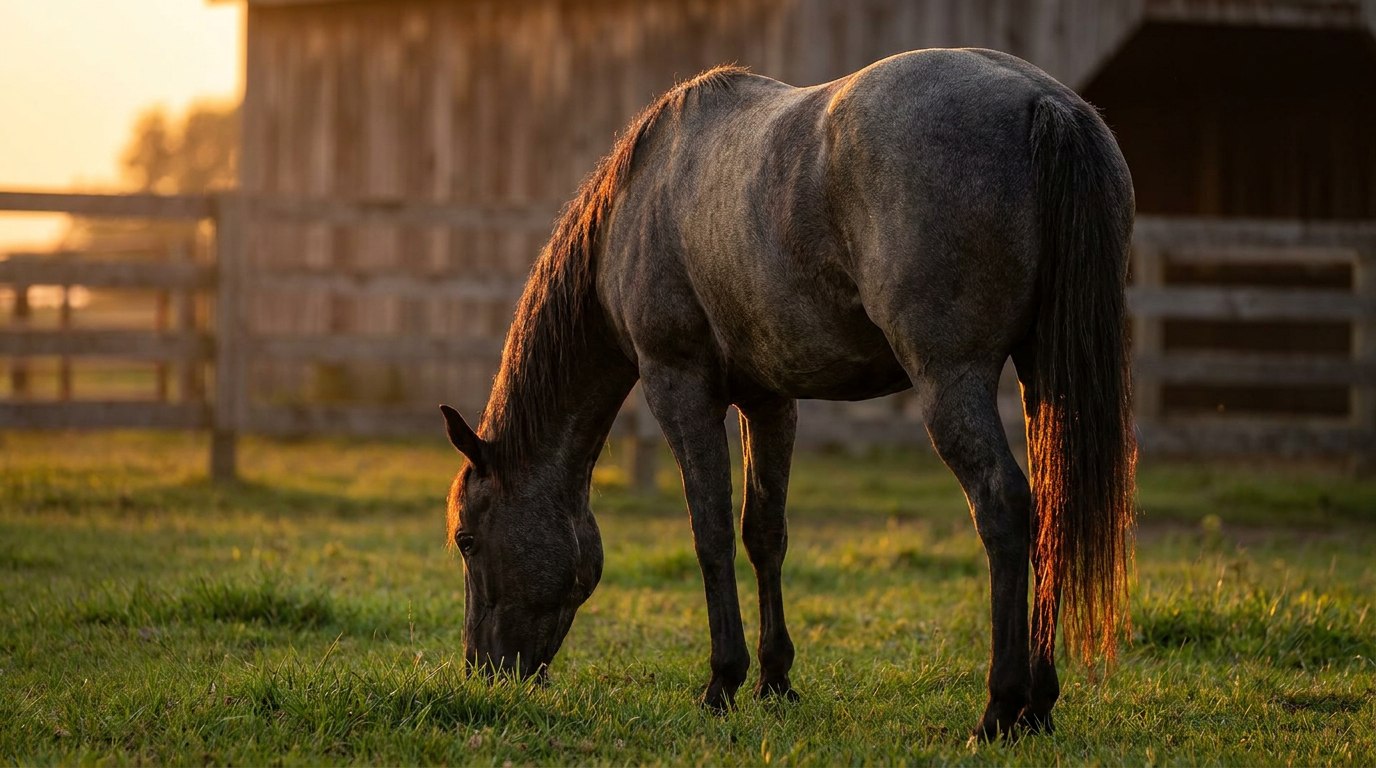
Good pasture doesn't happen by accident. Left alone, a horse pasture will degrade into a muddy, weed-infested sacrifice lot faster than most people expect. Horses are incredibly hard on grass - they graze selectively, tear plants at the root with their lips and teeth, compact soil with their weight, and deposit concentrated patches of manure that create "roughs" no horse will touch. Managing all of that takes planning. But the payoff is enormous: healthy pasture reduces your feed bill, provides natural exercise and mental stimulation, and keeps your horses healthier overall.
Rotational Grazing
This is the single most impactful thing you can do for your pastures. The concept is straightforward: divide your available land into sections and rotate horses through them, giving each section time to rest and regrow before it gets grazed again.
Most recommendations suggest grazing a section until the grass is eaten down to about 3 to 4 inches, then moving horses to the next section and letting the first recover until the grass is back to 6 to 8 inches. Depending on your climate, soil fertility, and time of year, this recovery period might be two weeks in peak spring growth or six weeks in late summer.
Why does rotation matter so much? Grass plants need leaf surface area to photosynthesize and rebuild their root systems. When horses graze a plant down to the dirt repeatedly without rest, that plant dies. Its roots shrink, the soil loosens, weeds move in, and you're left with bare ground that turns to mud when it rains. Rotation interrupts this cycle by giving plants time to rebuild before they're grazed again.
Even two sections - where one rests while the other is grazed - is dramatically better than continuous grazing on a single pasture. Three or four sections is ideal for most small horse properties. You can use permanent fencing or temporary electric fencing to create your rotation pattern. Electric tape or polywire on step-in posts is cheap and easy to move, making it perfect for this purpose.
The stocking rate matters too. The general guideline is 2 acres per horse for year-round grazing, though this varies wildly by region and soil quality. If you're in the Southeast with good rainfall and warm-season grasses, you might get by with less. If you're on thin, rocky soil in New England, you might need more. Be honest about whether your land can actually support the number of horses you're keeping. UC Davis pasture research has shown that overstocked pastures degrade exponentially, not linearly. Go from slightly overstocked to moderately overstocked and the decline accelerates dramatically, because once ground cover drops below about 70 percent, erosion and compaction compound each other in a vicious feedback loop.
Seeding and Overseeding
Bare or thin spots in your pasture won't fix themselves. You need to reseed them. Fall is generally the best time for seeding in most of the country, because the cooler temperatures and more reliable rainfall give young grass plants a better chance to establish before the stress of summer heat.
For horse pastures, the best grass species depend entirely on your region. Cool-season grasses - Kentucky bluegrass, orchardgrass, tall fescue (endophyte-free varieties only for horses), and perennial ryegrass - dominate in the northern half of the country. Warm-season grasses like Bermudagrass, bahiagrass, and native prairie blends work better in the South.
A critical note on fescue: standard tall fescue harbors an endophyte fungus that produces toxins dangerous to pregnant mares, causing prolonged gestation, thickened placentas, agalactia (no milk production), and sometimes foal death. If you have broodmares, either plant endophyte-free fescue varieties or avoid fescue entirely. This isn't negotiable.
Overseeding - broadcasting seed onto existing pasture - works best when combined with some soil disturbance. Dragging a chain harrow or even running a lawnmower on a low setting to scratch up the surface gives seeds soil contact, which dramatically improves germination rates. Keep horses off newly seeded areas for at least 60 days if possible.
Mowing
Mowing your pasture isn't just cosmetic. It serves several practical purposes:
It controls weeds by preventing them from going to seed. Most pasture weeds are annuals or biennials that reproduce by seed. If you mow before seed heads mature, you break the reproductive cycle. Over a few seasons, this reduces weed pressure significantly.
It evens out the grazing. Remember those "roughs" - the tall grass patches around manure piles that horses refuse to eat? Mowing them down encourages horses to graze more uniformly across the pasture. It also allows sunlight to reach the shorter grass nearby, promoting better growth.
Mow to a height of 4 to 6 inches. Never scalp a pasture to the ground - that damages root systems and opens the door for weeds, exactly like overgrazing does. Time your mowing for when weeds are about to flower but haven't set seed yet. In most climates, two to three mowings per season handles it.
Manure Management
Horse manure in pastures is both an asset and a problem. It's a fertilizer, but in concentrated piles, it burns grass and creates parasite reservoirs. Horses naturally avoid grazing near manure, which means large portions of your pasture become wasted space.
You have two main strategies: remove it or spread it. Removing manure from pastures (dragging a manure vacuum or picking up with a muck cart) is the gold standard for parasite control. It physically removes the eggs and larvae from the environment. But it's labor-intensive, especially on larger properties.
Dragging or harrowing the pasture breaks up manure piles and spreads them thinly, which exposes parasite eggs and larvae to UV light and desiccation, killing most of them. The catch: only do this during hot, dry weather. Dragging manure in cool, wet conditions just spreads viable parasites across more ground. Ideal conditions are full sun, temperatures above 85 degrees Fahrenheit, and no rain for several days after dragging.
Composting manure before spreading it on pastures kills parasite eggs through the heat generated during decomposition. A well-managed compost pile reaches 130 to 150 degrees internally, which is lethal to virtually all equine parasites. If you have space for a composting system, the end product is excellent fertilizer that's safe to apply.
Weed Control
Weeds in horse pastures are more than an eyesore - some are genuinely dangerous. Toxic plants like buttercup, jimsonweed, nightshade, tansy ragwort, and others can cause serious illness or death. Part of pasture management is knowing what's growing in your fields.
Mechanical control - mowing, hand-pulling, and good grazing management - is your first line of defense. Thick, healthy grass is the best weed suppressor there is, and be aware that some toxic plants like endophyte-infected fescue can look perfectly harmless while posing serious risks to pregnant mares. Weeds thrive in bare spots and thin turf. Keep your grass healthy and dense, and you'll have far fewer weed problems. Understanding your horse's forage requirements helps you gauge how much grazing pressure your pastures can sustain.
Herbicide use in horse pastures requires caution. Many herbicides have grazing restrictions - a waiting period after application before horses can return to the treated area. Always read the label specifically for equine grazing restrictions. Some products safe for cattle pastures are not tested or approved for horse pastures. When in doubt, contact your local agricultural extension office. They can identify your weeds and recommend appropriate control methods for your specific situation.
Sacrifice Areas and High-Traffic Zones
Here is a concept that saves pastures and most small-acreage horse owners never implement it: the sacrifice lot. Pick one small area, accept that it will be bare dirt or gravel, and use it as a holding pen during wet weather, when pastures are dormant, or when you're resting paddocks in your rotation. Feeding hay on the sacrifice lot instead of on your recovering pasture prevents hoof traffic from destroying new growth. Cornell Cooperative Extension recommends sizing sacrifice lots at roughly 400 to 600 square feet per horse, with good drainage and a base of crushed stone or geotextile fabric if mud is a chronic problem. It sounds counterintuitive to deliberately destroy one spot, but that one sacrificed area saves the rest of your acreage.
Gates, water troughs, and feeding stations are perpetual problem zones. Horses congregate there, and concentrated traffic kills grass faster than anything except a backhoe. Consider placing water troughs on gravel pads, rotating feeding locations within a paddock, and positioning gates on high ground where drainage works in your favor rather than against you.
Soil testing every two to three years is something most horse people skip but shouldn't. A simple soil test from your county extension office tells you pH, nutrient levels, and what amendments are needed. Grass that's struggling because of low pH or nutrient deficiency can't compete with weeds no matter how well you manage grazing. A bag of lime or fertilizer applied at the right rate, at the right time, based on actual soil data, does more for your pasture than any amount of mowing.
Good pastures are a long game. You won't see dramatic results in one season. But consistent management - rotating, mowing, managing manure, addressing weeds, and keeping your soil healthy - compounds over time. After two or three years of good management, you'll look out at thick, green pasture and wonder why you didn't start sooner.
📝 Learn about forage and nutrition management in our Courses. Check it out here.
Frequently Asked Questions
How many acres does one horse need for pasture?
The general stocking rate is 2 to 3 acres per horse, though this varies significantly by region, soil quality, rainfall, and management practices. Well-managed rotational grazing can support more horses per acre than continuous grazing because rest periods allow grass to recover before being grazed again.
When should you rotate horses to a new pasture section?
Move horses when grass is grazed down to 3 to 4 inches. Let the section rest until grass regrows to 6 to 8 inches before allowing horses back on it. Recovery time depends on your climate, soil fertility, and the time of year, ranging from two weeks during peak growing season to several weeks or more in slower periods.
How often should you drag or remove manure from pastures?
Remove or drag manure regularly to break the parasite cycle and distribute nutrients. Dragging in hot, dry weather exposes parasite larvae to sunlight and desiccation, killing them more effectively. Avoid dragging in cool, wet conditions when larvae can survive and simply spread to more grazing area. Picking up manure entirely is most effective but more labor-intensive.
How often should you test pasture soil?
Every two to three years. A soil test from your county extension office measures pH, nutrient levels, and needed amendments. Grass struggling from low pH or nutrient deficiency cannot compete with weeds regardless of how well you manage grazing. Targeted lime or fertilizer applications based on actual soil data are far more effective than guessing.
- "Horse Pasture Management" - Texas A&M AgriLife Extension tamu.edu
- "Grazing Management for Horse Owners" - Cornell University Cooperative Extension cornell.edu
- "Fescue Toxicosis in Horses" - AAEP aaep.org
- "Pasture Management for Horses" - UC Davis Center for Equine Health ucdavis.edu
- "Internal Parasite Control in Horses" - Merck Veterinary Manual merckvetmanual.com
Sources
- "Horse Pasture Management" - Texas A&M AgriLife Extension tamu.edu
- "Grazing Management for Horse Owners" - Cornell University Cooperative Extension cornell.edu
- "Fescue Toxicosis in Horses" - AAEP aaep.org
- "Pasture Management for Horses" - UC Davis Center for Equine Health ucdavis.edu
- "Internal Parasite Control in Horses" - Merck Veterinary Manual merckvetmanual.com
Ready to manage pasture like a nutritional resource?
Our Nutrition course covers grazing management, forage quality, and seasonal adjustments.
Explore the Nutrition CoursePro members only. Try Pro free for 7 days.