When to Call the Vet: A Horse Owner's Quick Reference Guide
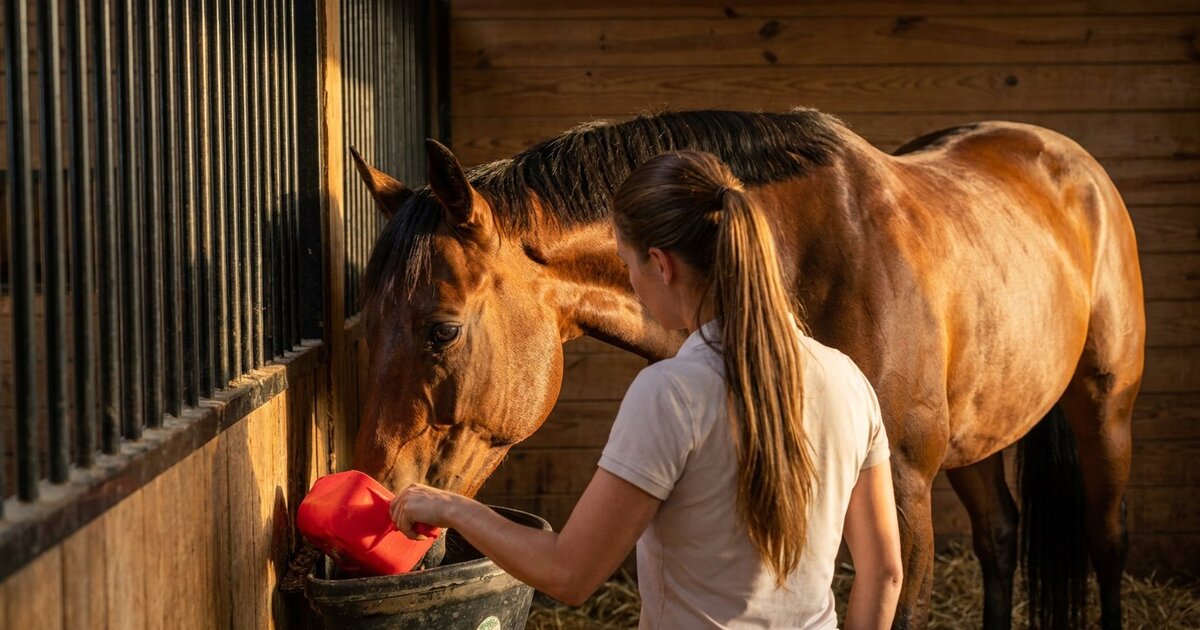
Every horse owner has stood in the barn at some point, phone in hand, wondering: is this a "call the vet now" situation or a "monitor and see" situation? That uncertainty is completely normal. Even experienced horsemen second-guess themselves sometimes. The goal here is not to turn you into a veterinarian - it is to give you a framework for triaging situations so you can make better decisions faster. Because sometimes the answer is "call right now, this second," and sometimes it genuinely can wait until morning.
The Red Flags - Call Immediately
These are the situations where delay can cost your horse its life, its limb, or its long-term soundness. If you see any of these, do not wait, do not Google, do not text your barn friend for a second opinion. Pick up the phone.
Colic Signs That Are Not Resolving
Mild colic - a little pawing, looking at the flank, stretching - can sometimes resolve on its own or with a dose of Banamine. But call immediately if: the heart rate is above 50 bpm, the horse is rolling violently, the gums are any color other than pink, there is no response to pain medication within 30 to 45 minutes, or the horse is sweating and showing signs of shock. Time matters with surgical colic. A lot. The AAEP estimates that roughly 10% of colic cases require surgical intervention, and for strangulating lesions, every hour of delay worsens the prognosis exponentially. Read our full colic first aid guide for the step-by-step.
Wounds Near Joints or Tendon Sheaths
Any wound in the vicinity of a joint, tendon sheath, or bursa is an emergency. Period. A tiny puncture over the fetlock can be more dangerous than a 6-inch laceration on the barrel. Synovial infections can destroy a joint in hours. If you see clear, slippery fluid leaking from a wound near a joint, run - do not walk - to the phone. Researchers at Cornell's Equine Hospital have reported that synovial sepsis treated within the first 24 hours carries a survival rate above 85%, but that number plummets with every additional day of delay. Our joint wounds article explains why this is so critical.
Severe or Uncontrolled Bleeding
Bright red blood spurting in pulses means arterial involvement. Apply direct pressure and call. Any bleeding that does not slow significantly with 10 minutes of sustained pressure needs professional help. A horse has roughly 8 to 10 gallons of blood, so they can tolerate some loss, but arterial bleeds can drain that reserve frighteningly fast. See our bleeding control guide.
Eye Injuries
Swollen shut eye, obvious trauma to the globe, cloudiness, excessive tearing, squinting - all emergencies. Equine eyes go from "minor problem" to "needs to be removed" faster than almost any other body part. A corneal ulcer can perforate in 24 hours with certain bacterial infections, particularly Pseudomonas. UC Davis researchers have documented melting ulcers that dissolved through the full corneal thickness overnight. Your vet needs to stain the eye and assess the damage before you lose the window for effective treatment.
Non-Weight-Bearing Lameness
A horse that will not put a foot down at all is telling you something is seriously wrong. This could be a fracture, a severe soft tissue injury, a hoof abscess that has reached excruciating pressure, or a penetrating hoof wound. Some of these are more urgent than others, but all of them need a vet exam because you cannot determine which one it is by looking.
Difficulty Breathing
Flared nostrils at rest, abdominal effort to breathe (the "heave line"), respiratory rate above 24 at rest, abnormal lung sounds, or any sign of respiratory distress. Horses have relatively small lungs for their body size and can deteriorate quickly from respiratory compromise. Texas A&M's Large Animal Hospital notes that acute respiratory distress in horses frequently involves bilateral laryngeal or tracheal obstruction, allergic reactions, or pleuropneumonia, all of which can turn fatal without intervention.
Choke That Is Not Resolving
Feed material draining from the nostrils with repeated swallowing attempts means esophageal obstruction. Most chokes resolve within 30 to 60 minutes, but call your vet regardless because aspiration pneumonia is a serious risk. If it has been over an hour, your vet needs to intervene. Our choke guide covers this in detail.
Foaling Complications
If active labor (stage 2 - you can see the foal's feet at the vulva or the water has broken) has been going on for more than 30 minutes without significant progress, call immediately. Also call for red bag delivery (the placenta presents first instead of the white amnion), malpresentation (one foot, no feet, head but no feet), or a mare that is in distress but not progressing. Foaling emergencies are measured in minutes, not hours.
Neurological Signs
Stumbling, circling, head pressing, inability to stand, sudden behavior changes, or apparent blindness. These could indicate anything from a brain abscess to EPM to rabies to a toxin exposure. All need immediate evaluation. The Merck Veterinary Manual lists over two dozen differential diagnoses for acute equine neurological dysfunction, and several of them, including botulism and Eastern equine encephalomyelitis, can kill within 48 hours if untreated.
Signs of Shock
Rapid heart rate (above 60), pale or purple gums, cold extremities, weakness, depression, and delayed capillary refill (over 3 seconds). Shock in a horse means something systemic and serious is happening - severe blood loss, sepsis, toxic exposure, or organ compromise.
The Yellow Zone - Call Today, Not Necessarily This Second
These situations need veterinary attention but a few hours of monitoring or waiting for a regular-hours appointment is usually acceptable:
- Mild lameness: Horse is weight-bearing on all four feet but clearly off on one. No swelling, no heat, no obvious wound. Fine to monitor and call in the morning if it persists.
- Small, clean wounds: Superficial scrapes and cuts that are not near joints, are not bleeding significantly, and do not involve underlying structures. Clean them, bandage if possible, and schedule a vet visit if they are large enough to potentially need closure - but remember the golden period for suturing is 6 to 8 hours, so do not wait too long.
- Mild swelling in a limb: Stocked up legs, minor filling around a joint, a small bump. Monitor for progression over several hours. If it gets dramatically worse, escalate.
- Low-grade fever (101.5 to 103 F): A mild fever without other symptoms can be monitored for 12 to 24 hours. Give Banamine if your vet has authorized it and recheck. If it persists or rises, or other symptoms develop, call.
- Skin conditions: Rain rot, scratches, hives, ringworm. Annoying and worth treating, but not emergencies. Schedule a regular appointment or consult with your vet by phone.
- Mild respiratory symptoms: A cough here and there, slightly increased nasal discharge, no fever. Monitor and call during regular hours.
- Dental issues: Dropping grain, quidding hay, foul odor from the mouth, reluctance to accept the bit. These need attention but are not crashing emergencies unless the horse has stopped eating entirely or has facial swelling suggesting an abscess.
The "I Will Keep an Eye on It" Zone
Some things warrant awareness without immediately calling anyone:
- Mild behavioral changes (slightly less energetic, eating a bit slower) - note it and observe
- A single episode of loose stool with no other symptoms
- Minor swelling that resolves with movement (stocking up overnight)
- A tiny scrape or abrasion with no depth
- Occasional soft cough during exercise that resolves quickly (could be dust, could be nothing, but track the frequency)
The catch: if anything in this category persists for more than 24 to 48 hours or gets worse, it graduates to the yellow zone. Horses are subtle creatures. What looks like "a little off" on Monday can unravel into something significant by Thursday if you rationalize it away.
General Decision-Making Framework
When you are standing there unsure, ask yourself these questions:
- Is there a risk of permanent damage if I wait? (Joint infection, eye damage, untreated fracture)
- Could this be life-threatening? (Colic, severe bleeding, shock, foaling complications)
- Are the vital signs abnormal? (Heart rate, respiratory rate, temperature, gum color)
- Is the horse in severe pain? (Non-weight-bearing, rolling, sweating, tachycardic)
- Is the condition getting worse over time?
If the answer to any of those is yes, call now. If all answers are no, you likely have time to monitor.
The Financial Hesitation
Let's be honest about something nobody likes to discuss. Emergency vet calls cost money. Farm call fees, after-hours surcharges, diagnostics, treatment. The numbers add up fast, and that reality absolutely factors into people's decision-making, whether they admit it or not. Here is the blunt truth: a delayed call almost always costs more than an early one. A colic that could have been resolved with a single farm call and some fluids at 6 PM becomes a $10,000 surgical referral at midnight. A joint wound flushed on day one might heal in two weeks. That same wound treated three days later might require months of regional limb perfusion and systemic antibiotics. Early intervention is cheaper intervention, almost without exception.
How to Make the Call Count
When you do call your vet, be ready with: the horse's signalment (age, breed, sex), current symptoms, vital signs you have checked, when symptoms started, what if anything you have given the horse, the horse's relevant history, and your location (so they can estimate travel time). Good information helps your vet triage effectively and may even allow them to give you useful instructions over the phone while they are en route.
Take a video if you can. Fifteen seconds of footage showing the lameness, the wound, the colic behavior, or whatever prompted the call gives your vet more information than five minutes of verbal description. Most vets will happily accept a quick clip via text.
One final thought: veterinarians would universally rather get a call that turns out to be nothing than get a late-night call about something that has been brewing since that morning. "I was not sure if I should bother you" is something vets hear constantly, and it always makes them wish the owner had called sooner. When in doubt, call. That is literally what they are there for.
📝 Make sure you know your emergency signs with our Courses. Check it out here.
Frequently Asked Questions
When should I call the vet for my horse?
Call immediately for: colic lasting more than 30 minutes or worsening, severe lameness (non-weight-bearing), profuse bleeding that does not stop with direct pressure, eye injuries or sudden swelling, temperature above 102.5°F, difficulty breathing, suspected choke (feed and saliva draining from nostrils), and any neurological signs like stumbling or inability to stand.
Is colic always an emergency?
Not always, but it should always be taken seriously. Mild gas colic often resolves with hand-walking and a dose of flunixin meglumine (Banamine). If pain returns after medication, worsens, or the horse becomes violently painful, that is an emergency. When in doubt, call. Your vet would rather answer a phone call than treat a ruptured intestine.
What vital signs should I check before calling the vet?
Heart rate (normal 28-44 bpm), respiratory rate (normal 8-16 breaths per minute), rectal temperature (normal 99-101.5°F), capillary refill time (press gum, color should return in under 2 seconds), gum color (should be pink, not pale, red, or purple), and gut sounds (should hear rumbling in all four quadrants).
How much does an emergency vet call cost for a horse?
Emergency farm calls typically run $250-500 for the visit fee alone, plus diagnostics and treatment. After-hours calls may add a $100-200 surcharge. Colic workups average $300-700. Having a relationship with a vet and knowing your horse's baseline vitals helps you make informed decisions about when a call is truly needed.
Should I give Banamine before calling the vet?
For suspected colic, giving one dose of flunixin meglumine (Banamine) at the labeled dose is generally appropriate before calling, as it can provide pain relief while you assess the situation. Always give it IV or orally (paste), never intramuscularly (causes severe injection site reactions). Tell your vet exactly what you gave and when, because masking pain can complicate their assessment.
Sources
- American Association of Equine Practitioners - When to Call the Vet aaep.org
- Texas A&M College of Veterinary Medicine - Equine Emergencies vetmed.tamu.edu
- Merck Veterinary Manual - Emergencies in Horses merckvetmanual.com
- Cornell University - Equine Emergency Services vet.cornell.edu
- UC Davis Center for Equine Health - Equine Eye Emergencies ceh.vetmed.ucdavis.edu
Want to make confident health decisions?
Our Health course teaches you when to wait, when to act, and when to call for help.
Start the Health CoursePro members only. Try Pro free for 7 days.