Why Your Horse Chose You (The Science Nobody Talks About)
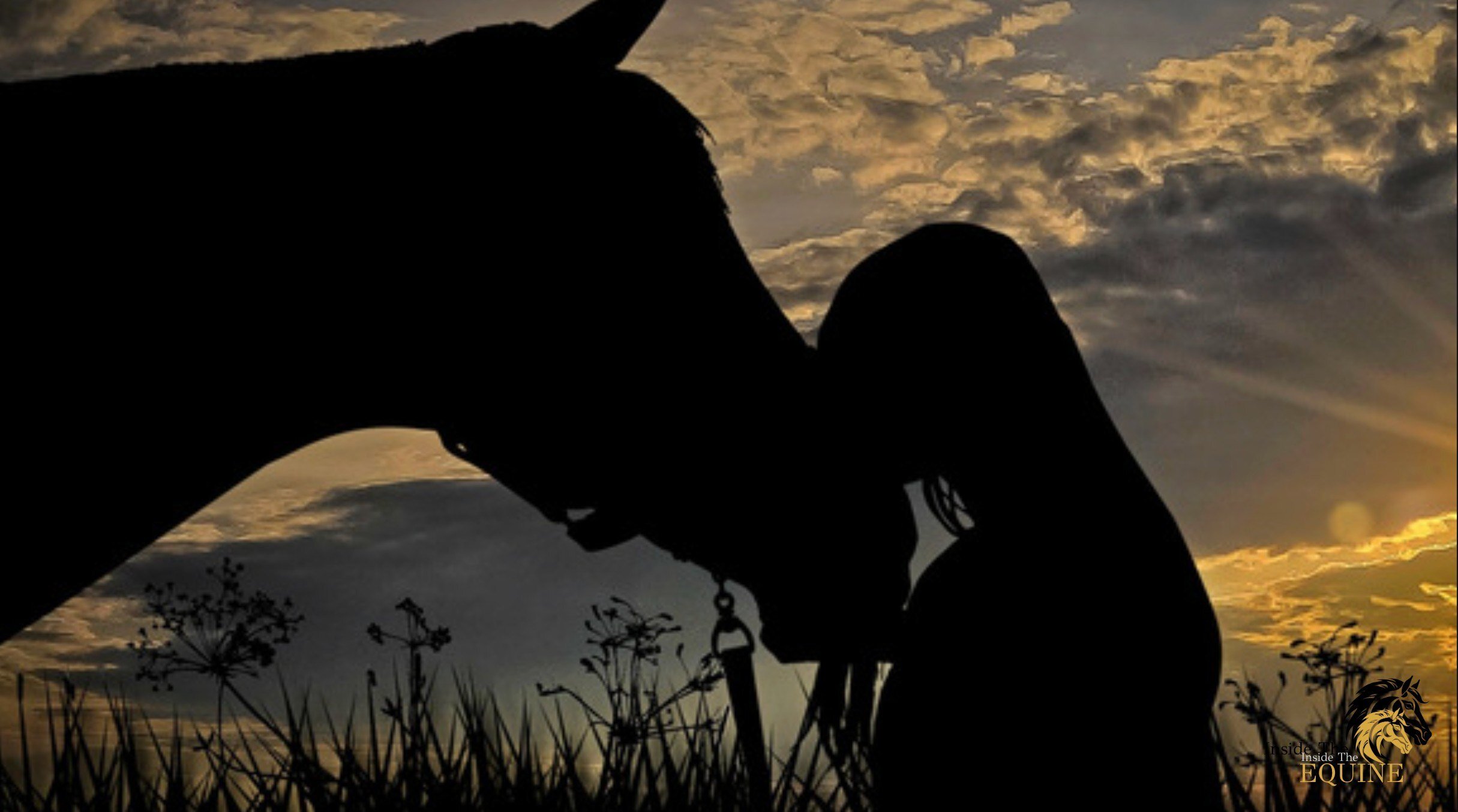
Horse people say it all the time. "She picked me." "He just walked up and put his head on my shoulder the first day." And non-horse people smile politely, assuming it's sentimental nonsense. Except there's actual science behind it, and the research is more compelling than most folks realize.
The Oxytocin Loop Nobody Expected
You know that warm, slightly irrational flood of affection you feel when your horse nickers at you across the pasture? That's oxytocin. The bonding hormone. Same chemical that fires between mothers and infants, between romantic partners, between dogs and their owners. And here's the kicker: it fires in the horse too.
A 2025 study published in the journal Animals (MDPI) measured oxytocin and cortisol levels in both humans and horses during interactions. The results weren't subtle. After just ten minutes of positive contact, grooming, scratching, quiet standing together, oxytocin spiked in both species simultaneously. Cortisol dropped. The horse wasn't just tolerating your presence. Its neurochemistry was actively rewarding the interaction.
But the really wild part came from a 2024 study in iScience by Cell Press. Researchers administered oxytocin to horses in a group setting and tracked social behavior shifts. They expected the hormone to simply strengthen existing bonds between horses that already liked each other. That's not what happened. Oxytocin actually homogenized the social structure, drawing horses closer to individuals they normally ignored. It didn't just reinforce preferences. It rewired them. If that mechanism works across species, and there's growing evidence it does, it explains why a horse might approach a total stranger with unusual openness on a particular day.
Your Horse Knows Your Face (And Your Voice, Separately)
Proops and McComb published landmark work through the Royal Society in 2012 proving something that horse owners already suspected but couldn't prove. Horses perform cross-modal individual recognition of familiar humans. Translation: your horse builds a mental file of you that links what you look like with what you sound like, and it cross-references those two things independently.
The experiment was elegant. Horses watched a familiar person walk past, then heard a voice from a speaker. When the face and voice didn't match, horses showed a violation-of-expectation response. Longer staring. Increased alertness. Right-eye bias, which in most mammals indicates left-hemisphere processing of familiar social information. They weren't just recognizing a human in a generic sense. They had built a multimodal identity map of specific people.
Think about what that means for "your horse chose you." When your horse turns its head at the sound of your truck, then perks up further when you come into visual range, that's not simple Pavlovian association with feeding time. That's genuine individual recognition, confirmed through two separate sensory channels. The horse has a concept of you, not just "the food-bringer" or "the one who rides me."
The Brain Hardware Behind the Bond
None of this happens by accident. The equine brain is built for social processing in ways that surprised researchers when imaging studies first revealed the architecture. Horses have a proportionally large temporal cortex region dedicated to processing faces and social signals. Their ears rotate independently to track sounds from different directions, feeding auditory data into that same social processing network. And the eyes, positioned laterally on the skull, give them nearly 350 degrees of visual field to monitor threats and social partners simultaneously.
The equine nervous system processes social information through dedicated neural pathways that prioritize speed over deliberation. When your horse sees you walk into the barn, visual data hits the amygdala (the brain's threat-assessment center) before it reaches the cortex for conscious processing. That's why the recognition response looks instantaneous. The horse's brain has already classified you as "known, safe, positive" before it's even finished looking at you.
This neural architecture also explains something trainers observe constantly: horses that bond with one person often seem almost indifferent to others who provide identical care. It's not ingratitude. The brain circuitry that processes bonding is selective by design. In wild herd dynamics, horses form tight pair bonds and small alliance groups rather than bonding equally with every herd member. That same selectivity applies to human relationships. Your horse's brain literally doesn't have the bandwidth to bond deeply with everyone. It picks.
Emotional Memory Is the Sticky Part
The University of Sussex study from 2016 demonstrated something that changed equine behavioral science. Researchers showed 28 horses photographs of human faces displaying angry or happy expressions. The horses' heart rates spiked significantly when viewing angry faces, and they consistently turned their left eye toward the threatening image. Left-eye viewing activates the right brain hemisphere, which processes threatening or novel stimuli in most vertebrates.
But the follow-up work was even more telling. Horses that had previously seen an angry photo of a specific person later responded with wariness when meeting that person in the flesh, even though the person was now displaying a neutral expression. The horse remembered the emotional context associated with a specific human face. They carry grudges. Or at minimum, they carry emotional bookmarks attached to individual people.
This flips the "my horse chose me" narrative from something passive into something deeply active. Your horse isn't just randomly gravitating toward you. It's evaluating your emotional output, tagging it to your identity, storing that data, and referencing it the next time you walk into the barn. If you've consistently brought calm energy, patience, and positive experiences, your horse's brain has literally filed you as "safe and rewarding." That's not sentiment. That's neuroscience.
Reading You Better Than You Read Yourself
Horses are prey animals, which means their survival for millions of years depended on reading intentions at a distance. They don't just see your body language. They parse it at a level of granularity that would embarrass most therapists. Muscle tension, breathing rate, gait rhythm, even the micro-expressions that flash across your face before you consciously register your own mood.
Research from the University of Guelph documented that horses adjust their behavior within seconds of detecting a shift in their handler's emotional state. Not minutes. Seconds. When handlers were told to think stressful thoughts while maintaining a calm exterior, horses still responded with elevated heart rates and increased vigilance. They saw through the act. Your horse knows when you're faking calm, and it remembers who consistently brings genuine peace versus manufactured composure.
So when a horse "picks" someone at first meeting, what's likely happening is an extremely rapid sensory assessment. The horse is reading your tension levels, your breathing, your movement patterns, and your emotional baseline, then comparing that profile against its accumulated experience with humans. Some people simply emit signals that register as safe, consistent, and interesting. The horse isn't being mystical. It's being incredibly good at its job, which is threat assessment and social evaluation.
Scent, Heart Rate, and the Signals You Can't Control
There's a piece of this puzzle that gets overlooked constantly. Horses have an olfactory system that puts ours to shame. Their nostrils aren't just for breathing. They're lined with chemoreceptors that can detect chemical changes in your sweat correlating with fear, stress, and excitement. Adrenaline and cortisol alter your scent profile in ways you can't perceive but a horse absolutely can.
Studies on equine olfaction suggest horses can distinguish individual humans by scent alone, and that they associate specific scent profiles with past experiences. If your body chemistry runs calm, if your baseline cortisol is low, if you're not flooding the air with anxiety hormones, you smell different to a horse than someone who's nervous. Literally different. And since horses also synchronize their heart rates with nearby calm humans (documented in multiple studies using Polar Equine heart rate monitors), your physiology might be pulling the horse toward you in ways neither of you consciously controls.
This is probably why so many people report that horses gravitate toward certain individuals in group settings. It's not that the horse is psychic. It's that one person in the group is broadcasting a physiological profile that the horse's sensory systems find compelling. Calm heart rate. Steady breathing. Low cortisol scent. Relaxed musculature. The horse reads that cocktail of signals and moves toward the source.
When the Bond Breaks: Stress, Inconsistency, and Lost Trust
Understanding how bonds form also means understanding how they fracture. Chronic stress changes the hormonal environment that makes bonding possible. A horse living with persistent gastric ulcers, undiagnosed pain, or environmental anxiety has elevated baseline cortisol that suppresses oxytocin production. That horse physically cannot bond as readily. Not because it doesn't want to, but because its neurochemistry won't cooperate.
The same principle applies in reverse. Handlers who bring inconsistent energy, who are patient one day and frustrated the next, create a cortisol rollercoaster in the horse that actively works against bond formation. The horse's emotional memory system tags that person as "unpredictable," which in prey-animal logic translates to "potentially dangerous." It doesn't matter how many treats you bring. The horse's brain is running a rolling average of your emotional output, and inconsistency always averages out to anxiety.
Horses that develop stereotypic behaviors like cribbing or weaving often show reduced social bonding across the board. These behaviors are associated with chronic stress, and the neurochemical environment that produces them is fundamentally hostile to oxytocin-mediated attachment. Addressing the underlying stress, whether it's diet, turnout, pain management, or social isolation, often restores the horse's capacity to form selective bonds. The hardware is still there. It just needs the right chemical environment to function.
The Long Game of Trust
Initial attraction is one thing. But the horses that people describe as having truly "chosen" them are usually horses that built preference over time. And the research supports this too. Horses that experienced consistently positive interactions with a specific handler showed stronger approach behavior, lower cortisol levels, and more relaxed body postures around that person compared to other handlers who provided identical care but with less emotional consistency.
Consistency matters more than treats. More than grooming. More than riding skill. The horse is building a trust profile based on predictability, emotional regulation, and the absence of negative surprises. Every interaction is a data point. Show up stressed one day and calm the next and the horse averages those experiences into a mixed profile. Show up steady every single time and you build something the horse values enormously: reliability.
This is why the horse-chose-me phenomenon so often involves people who aren't necessarily the most skilled riders or handlers. Technical skill matters, obviously. But the horse that gravitates toward the quiet barn helper who moves slowly and breathes evenly is responding to something that goes deeper than horsemanship credentials. It's selecting for the quality that matters most to a prey animal: safety.
What This Means for Your Relationship
Understanding the science doesn't diminish the magic. If anything, it deepens it. Your horse didn't "choose" you at random, and it didn't choose you because of some ineffable cosmic connection (though that narrative makes for a nice Instagram caption). It chose you because your neurochemistry, your behavior, your emotional signature, and your consistency triggered specific biological responses in its brain that said: "This one. This human is worth bonding with."
That's a more profound compliment than any mystical explanation. Your horse ran you through millions of years of evolved social assessment software and you passed. Its brain, its hormonal system, and its nervous system all agreed on you. Not because you're perfect, but because something about the way you exist in space registered as trustworthy to an animal whose entire evolutionary strategy depends on reading intentions accurately.
So next time someone gives you that polite, slightly condescending smile when you say your horse chose you, feel free to hit them with the Proops and McComb citation. Or the oxytocin data. Or just smile back and know that the bond you feel isn't imaginary. It's biochemical, cross-modal, emotionally indexed, and very, very real.
Related Reading: Explore how horses process their environment through prey animal instincts, decode horse body language, learn about herd social dynamics, and understand the neuroscience behind flight response.
Frequently Asked Questions
Do horses really choose their owners?
Horses do not choose owners in a conscious, human sense, but they absolutely form preferential bonds with specific people based on consistent positive interactions, calm energy, and reliable handling. Research from the University of Sussex shows horses remember human facial expressions and associate specific people with positive or negative experiences.
How do you know if your horse is bonded to you?
Signs include coming to you in the field (not just for food), relaxed body language in your presence (soft eyes, lowered head, licking and chewing), following you without a lead rope, nickering when they hear your voice, and choosing to stand near you during turnout. Mutual grooming attempts (nibbling your shoulder) are also bonding signals.
Can horses sense your emotions?
Yes. Multiple peer-reviewed studies confirm that horses can read human facial expressions, detect changes in heart rate and body tension, and adjust their behavior accordingly. They show increased stress responses to anxious handlers and relaxation around calm ones. Your emotional state directly influences your horse's behavior and is processed through specialized pathways in the equine brain.
How long does it take to bond with a horse?
Initial trust can develop in days to weeks with consistent, positive handling. A deeper working partnership typically takes 3-6 months of regular interaction. Some horses that have experienced trauma may need a year or more to fully trust a new person. There is no shortcut. Consistency and patience are the only reliable path.
Do horses prefer certain types of people?
Horses generally gravitate toward people who are calm, consistent, and confident without being aggressive. They tend to avoid or show anxiety around people who are tense, unpredictable, or forceful. Interestingly, research suggests horses may respond differently to people based on their heart rate variability, effectively sensing calm or stress before any visible behavior cues.
Can a horse bond with more than one person?
Yes, but horses tend to form a hierarchy of preferences rather than equal bonds with everyone. In herd settings, horses maintain a few close alliances rather than bonding with the entire group. The same pattern applies to humans. A horse may have a primary bond with one person and secondary positive associations with others, but the depth and quality of each relationship reflects the consistency and emotional quality of each individual interaction history.
Sources
- Proops, L., & McComb, K. (2012). Cross-modal individual recognition in domestic horses. Proceedings of the National Academy of Sciences, 109(9), 3131-3136. doi.org/10.1073/pnas.1114530109
- Smith, A.V., Proops, L., Grounds, K., Wathan, J., & McComb, K. (2016). Functionally relevant responses to human facial expressions of emotion in the domestic horse. Biology Letters, 12(2). Royal Society. doi.org/10.1098/rsbl.2015.0907
- Lundberg, P., Hartmann, E., & Roth, L.S.V. (2024). Intranasal oxytocin changes social dynamics in group-housed horses. iScience, Cell Press. doi.org/10.1016/j.isci.2024.110803
- Lanata, A., Guidi, A., Baragli, P., Valenza, G., & Scilingo, E.P. (2018). A merging methodology for mutual human-horse heart rate variability synchronization. Proceedings of the Annual International Conference of the IEEE Engineering in Medicine and Biology Society.
- Merkies, K., & DuBois, C. (2022). The effect of human emotional state on horse heart rate and behavior. Journal of Equine Veterinary Science. University of Guelph.
- Sankey, C., Richard-Yris, M.A., Henry, S., Fureix, C., Nassur, F., & Hausberger, M. (2010). Reinforcement as a mediator of the perception of humans by horses. Animal Cognition, 13(5), 753-764.
- Wathan, J., & McComb, K. (2014). The eyes and ears are visual indicators of attention in domestic horses. Current Biology, 24(15), R677-R679. University of Sussex.