Buddy Sour Horse: Why Separation Anxiety Happens and How to Work Through It
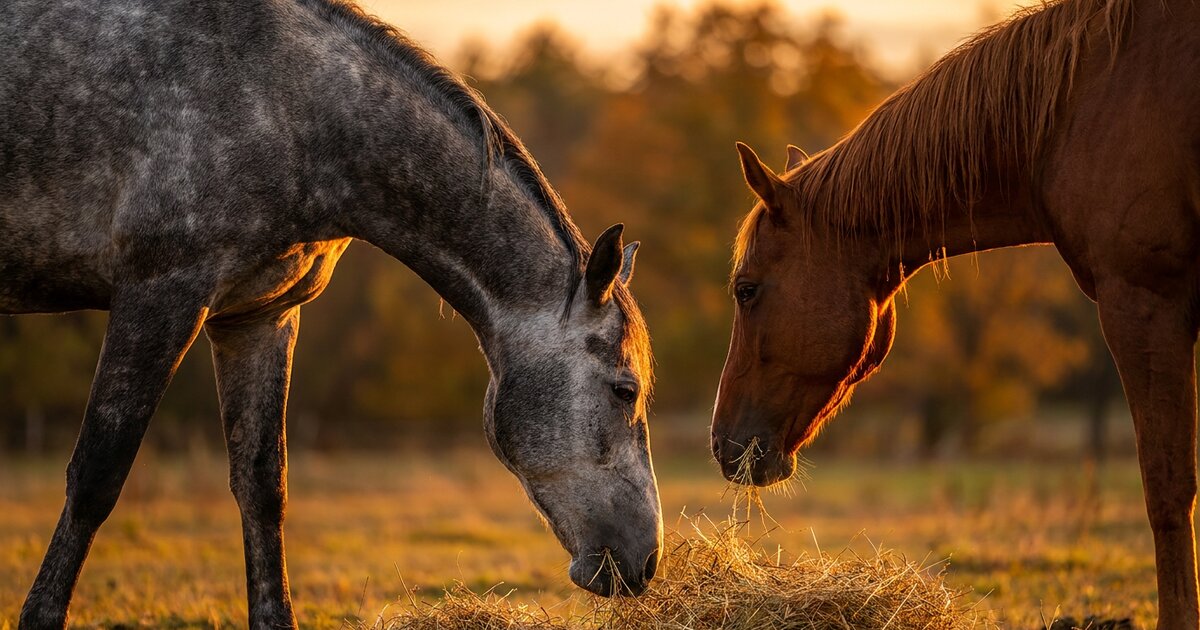
You lead your gelding out of the pasture and within thirty seconds he is screaming, dancing sideways, and staring back at the friend he left behind. Maybe he plants his feet halfway down the driveway and will not budge. If you have ever felt embarrassed, frustrated, or genuinely unsafe because your horse falls apart the moment he is separated from another horse, you are dealing with a buddy sour horse. The good news is that this is one of the most understandable and workable behavior problems there is, once you know what is actually driving it. You may also find our article on Understanding Horse Body Language helpful. You may also find our article on Reading Horse Ear Positions helpful.
What does "buddy sour" actually mean?
Buddy sour describes a horse that shows anxiety or resistance when it is separated from a particular equine companion or from the herd. It sits under the broader umbrella of separation-related behavior, which researchers are now working to define more precisely for horses. The word "sour" makes it sound like an attitude problem, but the horse is not being sour at all. He is frightened. When his source of safety walks away, his nervous system reacts the way it was built to react over millions of years of being a prey animal. You may also find our article on Correct Riding Position helpful. You may also find our article on Collection in Dressage helpful.
You will also hear the terms "herd bound" and "barn sour" used in the same conversation. They overlap heavily and often show up in the same horse, but they point at slightly different triggers. Sorting out which one you have makes your training plan far more targeted.
Why does separation anxiety happen in horses?
Separation anxiety happens because horses are obligate social animals whose survival strategy is the herd. In free-roaming and feral horse populations, individuals live in stable social bands, and a horse alone on the landscape is a horse that predators can pick off. Staying close to other horses is not a preference layered on top of domestication. It is a hardwired safety behavior.
Peter McGreevy, in his textbook Equine Behavior, describes how strongly horses are motivated to maintain contact with other horses and how that drive for social cohesion shapes so much of what we see under saddle and in hand. When a companion leaves, the horse loses its early-warning system, its sense of where safety is, and the social bond it relies on to stay calm. The result is a spike in arousal and a very strong motivation to reunite.
Management amplifies all of this. A horse kept in relative isolation, with limited turnout or few stable relationships, tends to bond harder to the one friend it does have. Research on stabled horses has found that social contact measurably improves their emotional state, which is why welfare specialists talk about "friends" as one of the core needs of a horse alongside forage and freedom of movement. For more details, see our guide on Cribbing in Horses.
Barn sour vs buddy sour: what is the difference?
The core difference is what the horse is anxious about leaving. A buddy sour horse is attached to a specific companion, so the problem travels wherever that friend is. A barn sour horse is attached to a place, usually the barn, the herd, or the direction of home, so the problem gets worse the farther you go and better as you turn back. Many horses are both.
| Feature | Buddy Sour | Barn Sour |
|---|---|---|
| Main trigger | Separation from a specific horse or friend | Leaving the barn, herd, or home area |
| Where it shows up | Anywhere that friend is taken away | On trails or rides away from home |
| Classic tell | Calling and searching for one particular horse | Speeding up toward home, dragging leaving it |
| What usually helps | Reducing dependence on that individual bond | Building confidence and value away from home |
Both share the same emotional engine, the fear of being alone and unsafe, which is why the training approaches look almost identical even when the triggers differ.
What does buddy sour behavior look like?
Buddy sour behavior is any escalating attempt to reunite with the companion, ranging from mildly annoying to genuinely dangerous. The horse is telling you, loudly, that it feels unsafe. Common signs include:
- Persistent whinnying or calling, sometimes for the entire duration of the separation
- Pawing, pacing the fence line, and general restlessness that will not settle
- Spinning, jigging, or refusing to move forward away from the friend
- Planting the feet, backing up, or napping (refusing to leave a spot)
- Bolting back toward the buddy, rearing, or barging through the handler
- Raised head, high muscle tension, and a hard, tight expression around the eyes and nostrils
In chronic, severe cases you may also see stereotypies such as weaving or stall walking develop, which are signs of a horse under sustained stress. These behaviors are not random and they are not spite. They are a predictable stress response that gets more intense the more anxious the horse becomes.
Why is this a training and management problem, not "bad behavior"?
Calling it "bad behavior" misreads the horse entirely, and it points you toward the wrong solutions. A horse that bolts back to its buddy is not plotting to disrespect you. It is doing exactly what evolution designed a frightened, socially motivated prey animal to do. Punishing a fear response tends to make it worse, because you are adding a second scary thing on top of the anxiety already flooding the horse's system.
Framing it as a training and management issue changes everything. Management asks what in the horse's daily life is fueling the bond, such as too little turnout, no stable herd, or a single all-important friend. Training asks how you can gradually teach the horse that separation is safe. Both are things you can influence, unlike a character flaw. This is also why the fix is rarely fast. Lasting change comes from changing how the horse feels, not just from making it comply in the moment.
What does learning theory say about fixing separation anxiety?
Learning theory says to lower the fear gradually and pair separation with good things, and it warns clearly against forcing the horse to just cope. The International Society for Equitation Science (ISES) sets out principles of ethical, evidence-based training, and its guidance on habituation is blunt: desensitization techniques that involve flooding may lead to stress and can produce phobias. Flooding means exposing the horse to the full intensity of the scary thing, in this case total separation, with no escape, until it eventually gives up reacting. It sometimes looks like it worked because the horse goes quiet, but that quiet is often shutdown, not calm, and the underlying fear can resurface or worsen.
The methods that hold up under research are gentler and systematic:
- Systematic desensitization: exposing the horse to separation in tiny, tolerable steps, starting at a distance or duration that keeps him under his panic threshold, then gradually increasing it.
- Counter-conditioning: deliberately pairing separation with something the horse loves, such as food, scratching, or the return of the friend, so that being apart starts to predict good outcomes instead of danger.
- Positive reinforcement and target training: giving the horse a calm, rewarded job to focus on while separated. A 2022 study by Rybova and colleagues in Learning and Motivation found that target training could control separation-induced problem behavior in horses by giving them a reinforced behavior to perform instead of panicking.
McLean and Christensen, writing on the application of learning theory in horse training, stress that reducing fear and keeping arousal low is central to both welfare and safety. In practice that means you want the horse thinking and learning, not flooded and reacting.
How do you work through it, step by step?
You work through it by building the horse's confidence, then separating in increments small enough that he never fully panics. Exact distances and timings depend on your individual horse, so treat these as a framework rather than a formula.
- Fix the management first. Give the horse as much turnout and stable social contact as your setup allows. A horse with several reliable relationships and plenty of movement is far less likely to be desperately fused to one individual.
- Build value in you and in work. Do calm, rewarding groundwork so that being with you, away from the herd, becomes its own kind of safety. Confidence built in hand transfers to confidence under saddle.
- Start separation small. Rather than hauling the buddy out of sight, begin with a distance the horse can handle, for example leading him ten to twenty feet from his friend and asking for something simple before returning. Success means the horse staying under threshold, not zero reaction.
- Increase by inches. Slowly grow the distance and the time apart over many short sessions. If the horse spikes into calling or bolting, you have gone too far too fast. Back up to the last easy step.
- Pair apart with pleasant. Feed, scratch, or offer a rewarded target task during separation so being alone predicts good things. Let reunions be calm and unremarkable rather than dramatic relief.
- Keep sessions short and end well. Frequent brief sessions that finish on a relaxed note beat occasional long battles. You are trying to change an emotion, and calm repetition is what rewires it.
When should you call your vet or a professional?
Call your veterinarian if the anxiety is extreme, if the horse is injuring itself or you, or if the behavior appeared suddenly with no change in the herd. Pain and underlying discomfort can lower a horse's threshold and make separation feel even more threatening, and a vet can help rule that out. It is also worth involving your vet if stereotypies such as weaving or stall walking have developed, since these signal chronic stress.
A qualified, welfare-focused trainer or a credentialed equine behavior professional is invaluable for the training itself, especially if the horse has learned to bolt, rear, or run over handlers. These behaviors are dangerous, and experienced eyes on the ground keep both of you safe while you rebuild the horse's confidence the slow, humane way.
Frequently Asked Questions
Is a buddy sour horse being disrespectful or dominant?
No. Buddy sour behavior is a fear and social-attachment response, not a bid for dominance. The horse is anxious about losing its source of safety, so it tries to reunite with its companion. Treating it as disrespect and punishing it usually intensifies the fear rather than resolving it.
Will getting a second horse or more friends fix it?
More social contact usually helps, because a horse with several stable relationships tends to depend less desperately on any single one. But companionship alone does not teach the horse that separation is safe. You still need gradual training so the horse can handle being apart when you need to ride, haul, or handle it alone.
Why shouldn't I just separate them completely until he gets over it?
That approach is called flooding, and equitation science warns it can cause serious stress and even create lasting phobias. A horse may go quiet because it has shut down, not because it feels safe. Gradual, sub-threshold separation paired with rewards changes the underlying emotion far more reliably.
How long does it take to fix a buddy sour horse?
There is no fixed timeline, because you are reshaping an instinctive emotional response, not teaching a trick. Some horses improve within a few weeks of consistent, gradual work, while deeply bonded or previously flooded horses take much longer. Frequent short sessions that keep the horse calm will get you there faster than occasional intense ones.
Is buddy sour the same as barn sour?
They are closely related but not identical. A buddy sour horse is attached to a specific companion, while a barn sour horse is attached to a place such as the barn or home. Many horses show both, and because they share the same underlying fear of being alone, the training approaches are nearly the same.
Could a sudden case of separation anxiety mean something is wrong medically?
It can. Pain or illness lowers a horse's stress threshold and can make separation feel more threatening than usual. If the behavior appears suddenly with no change in the herd or environment, or if the horse is injuring itself, contact your veterinarian to rule out an underlying medical cause before focusing only on training.
Sources
- McGreevy, P.D. (2012). Equine Behavior: A Guide for Veterinarians and Equine Scientists (2nd Ed). Saunders Elsevier.
- International Society for Equitation Science (ISES). Training Principles (Principle 5: Correct use of Habituation, Desensitization and Calming Methods). equitationscience.com.
- McLean, A.N. and Christensen, J.W. (2017). The application of learning theory in horse training. Applied Animal Behaviour Science, 190, 18 to 27.
- Rybova, V., Virues-Ortega, J., Winchester, K., Cowie, S., Hurtado-Parrado, C. and Pfaller-Sadovsky, N. (2022). Controlling separation-induced problem behavior in horses through target training. Learning and Motivation, 78, 101816.
- The Horse (thehorse.com). "10 Scientific Principles of Horse Training" and "Combating the Equine Welfare Consequences of Isolation." Educational articles on equitation science and social welfare.