Buying Your First Horse: What to Look For (and What to Ignore)
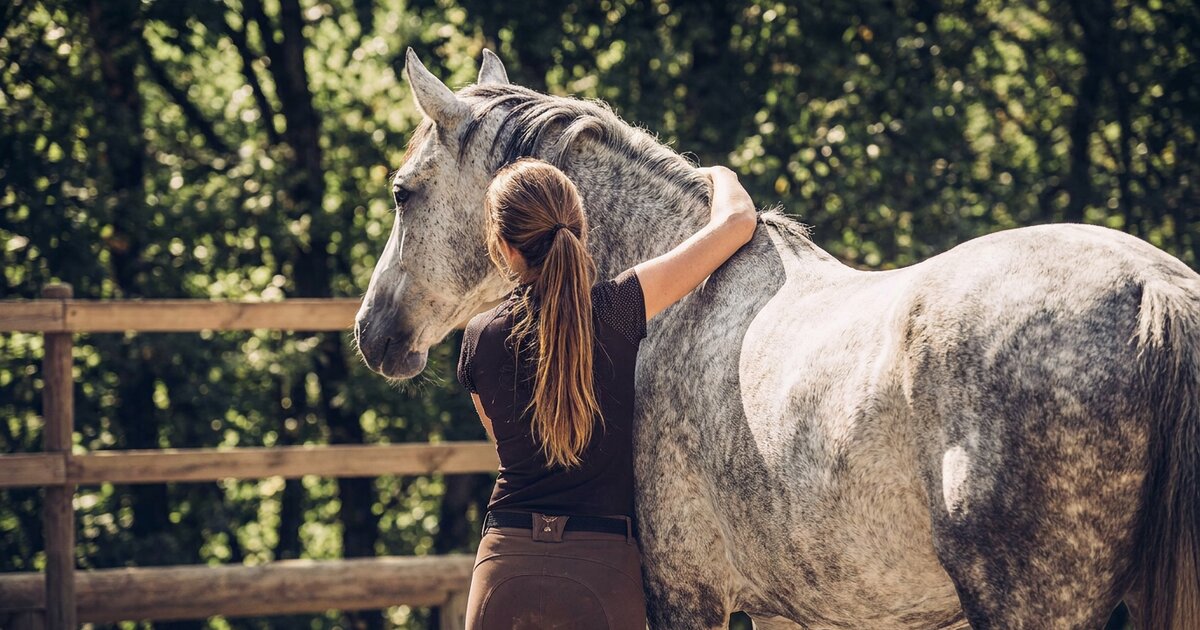
You have been scrolling sale listings until 1 a.m., and one dapple grey with a flowing mane keeps pulling you back. That is exactly how most first-time buyers get into trouble. The horse that makes your heart skip in a photo is almost never the horse that will teach you to ride, keep you safe on a windy day, and still be fun three years from now. Buying your first horse is less about falling in love and more about honest math, patient shopping, and a willingness to walk away from the pretty one. Get it right and you set up years of joy. Get it wrong and you can end up scared, broke, or hurt. For more details, see our guide on Colic First Aid. For more details, see our guide on Equine First Aid Kit. For more details, see our guide on How to Assess a Horse's Legs Before You Buy |. For more details, see our guide on How to Build a First Aid Kit for Your Horse.
Are you actually ready, and can you afford it?
Before you look at a single horse, look honestly at yourself. Rutgers Equine Science Center puts it bluntly: if your experience is limited to a few trail rides, a dude-ranch vacation, or ten lessons at a local barn, you are probably not ready to own outright yet. That is not an insult. Owning is a much bigger commitment than riding, and many people are better served by leasing first to learn the daily reality of care. You may also find our article on Horse Nutrition Guide helpful.
Get specific about your goals. Do you want quiet trail rides, local schooling shows, or a project you will develop over time? An honest answer narrows the field fast, because a horse built for one job is often wrong for another. Time matters too. Horses need daily attention whether you feel like driving to the barn or not.
Then there is the money, which trips up nearly everyone. The purchase price is the smallest part of horse ownership. Utah State University Extension estimates roughly $1,000 to $2,000 per horse per year in basic upkeep, and Rutgers notes that in some regions total annual maintenance can exceed $10,000 once you add boarding, which can run from a few hundred to over a thousand dollars a month. On top of that come farrier visits every six to eight weeks, feed, vaccines, deworming, dental care, and the emergency vet bill that always arrives at the worst time. If the purchase price stretches your budget to its limit, you cannot afford the horse, because the horse is the cheap part.
Why temperament and suitability beat looks and breed
The single most important quality in a first horse is temperament, not breed and definitely not color. A calm, willing, forgiving horse covers for your mistakes while you learn. A sensitive or hot horse amplifies them, and every wobble in your seat or nerve in your hands becomes a bigger reaction underneath you.
Breed reputations are a rough guide at best. Some breeds tend toward calmness while others run more high-spirited, but individual variation within a breed is enormous. There are placid Thoroughbreds and spicy Quarter Horses. Judge the horse in front of you, not the label on its papers. Suitability is the word that matters most: the right horse matches your current ability and your goals, on the day you meet it, not the horse you hope to grow into someday.
Watch the whole picture during a visit. How does the horse behave when caught in the field, tied, groomed, tacked up, and asked to stand for the farrier? A horse that is anxious or pushy on the ground will not magically become calm under saddle. The plainest horse in the barn with a genuinely kind, unflappable mind beats a stunning mover you cannot safely handle.
Why an older, experienced horse usually wins
The classic beginner mistake is pairing a green rider with a green horse, and it is the pairing most likely to end in injury or a resold horse. As Utah State University Extension states plainly, a young, inexperienced rider should not be matched with a young, inexperienced horse. Two beginners cannot teach each other. Someone in that partnership needs to already know the job, and for your first horse, that someone should be the horse.
An older "been there done that" horse, often ten to twenty years old, has seen tarps, traffic, clapping crowds, and bad weather, and decided none of it is worth panicking over. That mileage is a feature, not a flaw. A sound, well-mannered horse in its late teens can give a first-time owner many good years and teach you more than a fancy youngster ever could. Do not let the birth year scare you off before your vet has looked at the horse.
| Factor | Older, Trained Horse (10-20 yrs) | Young or Green Horse (2-6 yrs) |
|---|---|---|
| Training | Established, knows the job, forgives your errors | Unfinished, needs a skilled rider to shape it |
| Predictability | Steady and settled in new situations | Reactive, still learning what is scary |
| Best rider | Beginner to intermediate | Experienced or professional |
| Main risk | May need more veterinary maintenance | Safety and behavior problems from mismatch |
Where to find horses, and the red flags of a bad deal
Start with trustworthy channels and steer clear of the riskiest ones. Rutgers recommends private sellers, reputable breeders, and lesson barns, and specifically warns against buying at auctions or sight unseen from the internet, where you have no history and no recourse. The best first horses often come through your own trainer or barn network, sometimes before they are ever advertised.
Certain warning signs should make you slow down or walk away entirely:
- A seller who refuses to let your veterinarian perform a pre-purchase exam, or pressures you to skip it.
- Pressure to decide today because "someone else is coming to look."
- A horse that is already tacked up, warmed up, or lunged into exhaustion when you arrive, which can hide behavior or lameness.
- Reluctance to let you catch, handle, or ride the horse yourself.
- Stable vices such as cribbing, weaving, or box walking, or respiratory noise consistent with heaves, presented as no big deal.
- No dated bill of sale, no registration papers where they should exist, or a story that keeps changing.
A price that seems too good to be true usually is. Cheap horses often carry expensive problems, whether in soundness, training, or temperament. Insist on a dated bill of sale, and where the horse is registered, get the papers.
What the pre-purchase exam does and does not guarantee
The pre-purchase examination, sometimes called a PPE or "vetting," is the single most valuable step in buying a horse, and it is one you pay for and control. A veterinarian assesses the horse's general health, soundness, and appropriateness for your intended use. According to the Merck Veterinary Manual, a basic exam includes verifying identity and age, a physical exam at rest including the eyes, and a soundness evaluation at the walk and trot on a hard surface along with flexion tests. Cornell University's veterinary college notes that a full exam can also add radiographs, ultrasound, endoscopy, and bloodwork depending on the horse and your budget.
Here is the part first-time buyers most often misunderstand. A PPE is not a pass or fail test, and it is not a guarantee. As Merck states plainly, a PPE can never be a guarantee of future soundness, and some conditions simply are not detectable on the day. In fact, thorough exams turn up minor abnormal findings on nearly every horse examined. The American Association of Equine Practitioners is explicit that the veterinarian reports findings and does not decide whether the horse is suitable for your purpose. That call is yours. The vet gives you information about risk; you decide whether that risk is acceptable for your goals and budget.
Two rules protect you. First, the veterinarian should work for you, the buyer, not the seller, so hire your own vet. Second, tell the vet exactly what you plan to do with the horse. A finding that ends a future upper-level jumper's career may be irrelevant for a quiet trail horse. Do not skip the exam to save a few hundred dollars, because it is cheap insurance against a horse that costs you far more later.
Try the horse more than once, and bring your people
Never buy a horse off a single ride. See the horse on more than one day, ideally at different times, so you are not judging a horse that was worked down before you arrived. Utah State University Extension goes further and suggests a short lease or trial period of a few weeks where possible, because a horse's history of success with a previous owner does not guarantee it will suit you.
Ask to see the ordinary things, not just the polished demonstration. Watch the seller catch the horse cold. Handle it yourself. Ride it in the arena and, if that is your goal, out on the trail. See how it loads, stands for the farrier, and behaves around other horses. If the seller only ever presents the horse pre-warmed and perfectly set up, that is information too.
Do not do this alone. Bring an experienced horse person, a trainer or a knowledgeable mentor, to every serious viewing. Both Rutgers and Utah State University Extension stress this. A professional will spot soundness issues, training holes, and temperament warning signs that a first-time buyer, dazzled by a nice canter, will miss entirely. Their fee is trivial next to the cost of the wrong horse. Shop widely, resist settling on the first horse you see, and aim for the most suitable horse you can afford rather than the flashiest.
The most common first-time-buyer mistakes
Almost every regret traces back to the same handful of errors:
- Buying on emotion. Choosing for color, breed, or a pretty face instead of temperament and suitability.
- Green on green. Pairing an inexperienced rider with a young or undertrained horse.
- Underbudgeting. Spending everything on the purchase and having nothing left for board, farrier, and the first vet emergency.
- Skipping the PPE. Waiving the exam to save money or please a seller.
- Buying alone. Not bringing a trainer, and not riding the horse more than once.
- Rushing. Buying the first horse you see because the search feels exhausting.
Slow down. The right first horse is out there, and patience is the cheapest safety equipment you will ever own.
Frequently Asked Questions
What is the best age for a first horse?
For most first-time owners, an older, well-trained horse roughly in the ten to twenty year range is ideal. These horses have the experience and steadiness to keep a learning rider safe. Do not rule out a horse in its late teens based on age alone, as long as your veterinarian confirms it is sound and healthy for your intended use.
Does a pre-purchase exam guarantee the horse is sound?
No. A pre-purchase exam is a snapshot of the horse's health on that day, not a guarantee of future soundness. The Merck Veterinary Manual is clear that a PPE can never guarantee future soundness, and some conditions are not detectable during the exam. It gives you information to assess risk, but the final decision to buy is yours.
How much does owning a horse cost beyond the purchase price?
Far more than the sticker price. Utah State University Extension estimates roughly $1,000 to $2,000 per year in basic upkeep, and Rutgers notes total annual costs can exceed $10,000 in some areas once boarding is included. Budget for board, feed, farrier every six to eight weeks, vaccines, dental care, and emergency vet bills.
Should I use the seller's veterinarian for the exam?
No. Hire your own veterinarian, ideally one with no prior relationship to the horse. The pre-purchase exam vet works for you, the buyer, and should give you an objective, independent assessment. Tell that vet exactly what you plan to do with the horse so findings are interpreted for your goals.
Is it a bad idea to buy a horse at auction as a beginner?
Generally yes. Rutgers Equine Science Center advises first-time buyers to avoid auctions and buying sight unseen online, because you get little to no history and no chance for a proper trial or pre-purchase exam. Stick to private sellers, reputable breeders, and lesson barns, ideally through your trainer's network.
How many times should I ride a horse before buying it?
More than once. See and ride the horse on at least two separate days, and if possible arrange a short trial or lease period of a few weeks. This helps you avoid judging a horse that was worked down before your visit and reveals how it behaves day to day, not just in a polished sales demonstration.
Sources
- American Association of Equine Practitioners (AAEP). Guidelines for Reporting Purchase Examinations. aaep.org.
- Rutgers Equine Science Center. Tips on Buying Your First Horse (Fact Sheet FS1176). Rutgers, The State University of New Jersey.
- Utah State University Extension. Buying Your First Horse. extension.usu.edu.
- Cornell University College of Veterinary Medicine (2023). Equine Pre-Purchase Exams: What to Expect. vet.cornell.edu.
- Merck Veterinary Manual. Prepurchase Examination of Horses. merckvetmanual.com.