Salt Supplementation for Horses: Why Every Horse Needs It
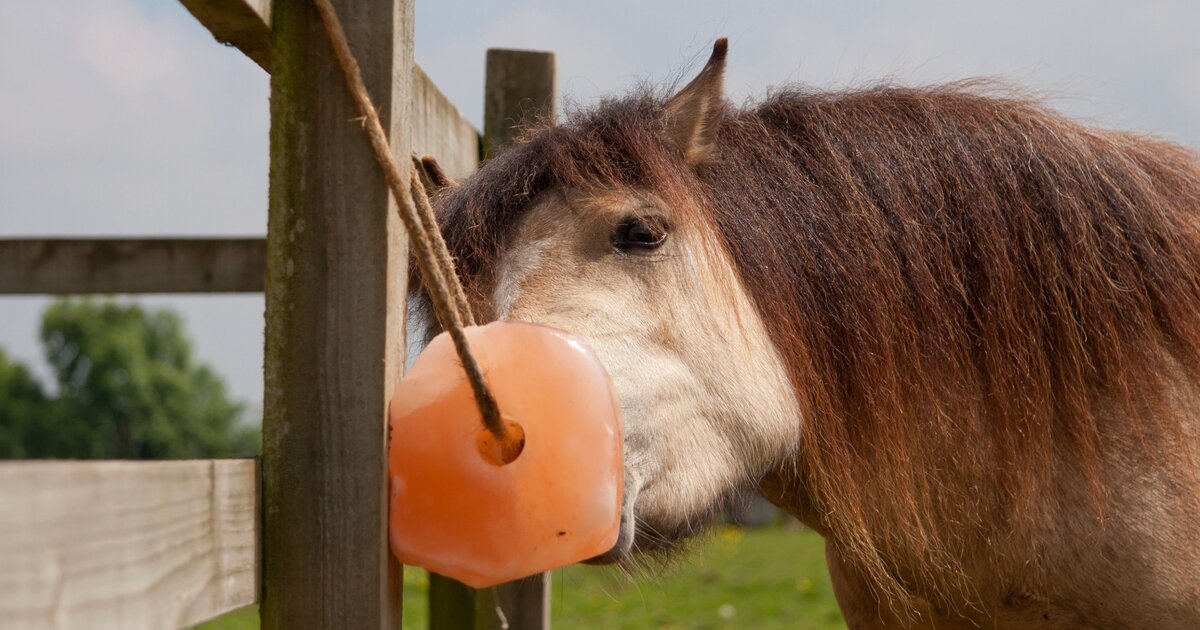
Every horse needs salt. Every single one. It doesn't matter if they're a pasture ornament or a Grand Prix show jumper; sodium chloride is the one mineral that's virtually always deficient in the equine diet, and horses cannot get enough of it from hay, pasture, or commercial feeds alone. This is one of the simplest and cheapest things you can do for your horse's health, and yet it's surprisingly often overlooked. People will spend $80 a month on joint supplements and completely forget the two-dollar bag of salt that arguably matters more.
Why Horses Need Supplemental Salt
Sodium and chloride are essential for nerve function, muscle contraction, fluid balance, and nutrient absorption in the gut. Sodium in particular drives the thirst response. Without adequate sodium, a horse won't drink enough water, even when it's freely available. That alone makes salt supplementation critical, because dehydration opens the door to dangerous fluid deficits and impaction colic, poor performance, and a cascade of other problems that start quietly and escalate fast.
Chloride gets less attention, but it's equally vital. It's the primary anion in extracellular fluid, involved in maintaining blood pH, producing stomach acid for digestion, and supporting immune cell function. When horses sweat, they lose both sodium and chloride in concentrations actually higher than what's found in their blood plasma. Horse sweat is hypertonic, meaning they lose proportionally more electrolytes per liter of sweat than humans do. This is a big deal during summer work.
Forages typically contain very little sodium. Most grasses and hays provide less than 0.1% sodium on a dry matter basis. The NRC's requirement for a 1,100-pound horse at maintenance is about 10 grams of sodium per day, which works out to roughly 1 ounce (2 tablespoons) of plain table salt. That doesn't sound like much, but it's far more than what forage alone provides.
Commercial feeds do contain added salt, but usually not enough to meet the full daily requirement. Check the tag: most concentrates provide 0.5 to 1.0% salt, and at typical feeding rates, that's only a fraction of what the horse needs. The shortfall has to come from somewhere.
Block vs Loose Salt
This is where opinions get strong at the barn. Salt blocks are the most common delivery method. They're cheap, easy, and every feed store carries them. Plain white salt blocks work fine for many horses. The problem? Horses have smooth tongues, unlike cattle, and some horses simply cannot or will not lick a block enough to meet their sodium needs. Cattle have rough, sandpaper-like tongues designed to rasp across mineral blocks. Horses do not. It's like asking someone to get their daily calories by licking a brick of cheese.
Research has consistently shown that when given the choice, horses consume more salt from loose sources than from blocks. A study referenced in the NRC's Nutrient Requirements of Horses found significant variation in voluntary salt block intake, with some horses consuming well below their maintenance requirement despite unlimited access. Some horses lick a block enthusiastically and get plenty. Others give it a half-hearted attempt and walk away. You can't always tell which category your horse falls into without measuring.
Loose salt (either plain white salt or a granulated mineral salt) can be offered in a small rubber feeder attached to the stall wall or fence. The horse can consume it much more easily than licking a hard block. It also dissolves faster in rain, so outdoor loose salt feeders need a cover or frequent replenishment.
My recommendation? Offer both. Put a block in the pasture or stall and top-dress 1 to 2 tablespoons of loose salt on the horse's daily grain. That way you're guaranteeing a baseline intake while still giving them free-choice access. If you can only do one, go with loose salt in the feed. It removes the guesswork entirely.
What Kind of Salt
Plain white salt (sodium chloride) is the foundation. That's what your horse needs most. Beyond that, you've got options, and the marketing around some of them has gotten genuinely ridiculous:
| Salt Type | Composition | Best For |
|---|---|---|
| Plain white (NaCl) | Pure sodium chloride | Gold standard; cheap and effective for all horses |
| Himalayan pink salt | NaCl with trace minerals (iron, etc.) | Horses that prefer licking a block; trace amounts are negligible |
| Trace mineral blocks (red) | NaCl + added selenium, zinc, copper, etc. | Areas with known mineral deficiencies; check local forage analysis first |
| Loose salt | Same as block but granulated | Horses that won't use blocks; easier to measure exact intake |
| Electrolyte supplements | NaCl + KCl + Mg + Ca + flavoring | Heavy exercise, hot weather, excessive sweating |
How Much Is Enough
At maintenance in a temperate climate, that 1-ounce-per-day figure covers the basics. But needs increase with work, heat, and humidity. A horse in moderate to heavy exercise can easily need 2 to 4 ounces of salt per day, sometimes more during peak summer conditions. A horse that sweats heavily for an hour might lose 10 to 15 grams of sodium in that session alone.
Here's a practical framework from UC Davis: for every hour of moderate work in warm weather, add an extra tablespoon of salt to the daily ration. Hard work or extreme heat? Double that. Endurance horses competing on hot days may need aggressive electrolyte supplementation before, during, and after the ride, because the sodium losses over 50 or 100 miles of trotting are staggering.
Signs your horse might not be getting enough salt include:
| Scenario | Daily Salt Requirement |
|---|---|
| Idle / light work | 1–2 oz (28–56 g) |
| Moderate work | 2–4 oz (56–112 g) |
| Heavy work / hot weather | 4–6 oz (112–168 g) |
| Endurance / extreme conditions | 6+ oz; electrolyte supplementation recommended |
On the flip side, salt toxicity from oral intake is virtually impossible in horses with free access to water. The horse's kidneys are extremely efficient at excreting excess sodium as long as water is available. You'd have to force-feed massive amounts with restricted water to cause a problem. So don't be afraid of providing too much; the horse will self-regulate as long as water is plentiful.
The one caution: if a horse has been salt-deprived for a long period and suddenly gets unlimited access to loose salt, it may gorge initially. This isn't dangerous if water is available, but it can cause loose manure for a day or two. Start with measured top-dressing and gradually introduce free-choice access if the horse has been without for a while.
The Seasonal Factor
People tend to think about salt in summer and forget about it in winter. That's a mistake. Horses still need sodium year-round, and winter actually creates its own salt-related problems. Cold water is less appealing to horses, so they drink less. Lower sodium intake compounds this by further suppressing the thirst drive. The result is a horse that's quietly dehydrating through the winter months, setting the stage for impaction colic, which peaks in late fall and winter for exactly this reason.
Adding salt to the feed through winter is arguably more important than summer supplementation, because at least in summer the horse is thirsty and drinking. In winter, you need the sodium to manufacture that thirst artificially. Some barns warm their water troughs and salt the feed from November through March. Their colic rates drop. Coincidence? Not remotely.
The Connection to Everything Else
Salt doesn't exist in isolation in the diet. It interacts with water balance, electrolyte status, kidney function, and even gut motility. Adequate sodium intake keeps the gut moving by drawing water into the intestinal lumen. Inadequate sodium can contribute to reduced gut motility, which is a risk factor for colic.
There's also an interaction with potassium worth mentioning. Horses on lush pasture get enormous amounts of potassium from the grass, and potassium competes with sodium for absorption. High-potassium diets actually increase sodium requirements, meaning spring and fall pasture seasons demand even more attention to salt supplementation than the baseline numbers suggest.
Horses that travel frequently, compete in hot weather, or live in arid climates need more attention to salt than backyard horses in moderate climates. But even that easy-keeper gelding standing in the pasture all day needs his salt. It's the one supplement I'd never skip, ahead of joint supplements, hoof supplements, and everything else people spend money on.
Make it easy for yourself. Buy a bag of plain white loose salt, put two tablespoons on the grain every day, hang a block in the field, and stop worrying about it. Some of the best horse management practices are the simplest ones.
📝 Dive deeper into equine nutrition in our Courses. Check it out here.
Jaynee's Note: I keep a plain white salt block in every stall and loose salt in the feed during summer. In Texas heat, electrolytes aren't optional — I've seen the difference it makes in how much my horses drink.
Frequently Asked Questions
How much salt does a horse need per day?
An idle horse needs about 1-2 ounces (28-56 grams) of salt daily. Horses in moderate work need 2-4 ounces, and heavily sweating horses in intense work or hot weather can require 4-6 ounces or more per day to replace electrolyte losses.
Is a salt block enough for my horse?
Often not. Many horses do not lick salt blocks aggressively enough to meet their daily sodium needs, especially in hot weather. Adding 1-2 tablespoons of loose table salt to the daily feed ensures baseline intake, with a block available for voluntary additional consumption.
What kind of salt is best for horses?
Plain white sodium chloride (NaCl) is the foundation. Iodized table salt works fine. Himalayan salt blocks are popular but offer no meaningful nutritional advantage over plain salt. Trace mineral blocks (red blocks) provide small amounts of additional minerals but should not replace a balanced mineral program.
Can a horse get too much salt?
Toxicity is extremely rare if fresh water is always available because horses self-regulate and flush excess sodium through urine. Problems only arise when water access is restricted after heavy salt intake. Always pair free-choice salt with unlimited clean water.
What are signs of salt deficiency in horses?
Licking dirt, wood, or metal objects. Decreased water intake (counterintuitive but real). Poor appetite. Dull coat. Reduced sweating efficiency. In severe cases, muscle cramping and fatigue during work. Many horse owners mistake these signs for other issues and never think to check salt intake.
Sources
- Texas A&M AgriLife Extension - Salt and Mineral Supplementation for Horses tamu.edu
- NRC Nutrient Requirements of Horses, 6th Edition nationalacademies.org
- UC Davis Center for Equine Health - Electrolytes for Horses ucdavis.edu
- AAEP - Electrolyte Supplementation in Horses aaep.org
- Merck Veterinary Manual - Nutritional Requirements of Horses merckvetmanual.com
- Cornell University - Equine Nutrition and Mineral Balance cornell.edu
Ready to fine-tune your horse's diet?
Our Nutrition course covers salt, minerals, and every nutritional building block.
Explore the Nutrition CoursePro members only. Try Pro free for 7 days.