Shetland Pony Breed Guide: Small but Mighty
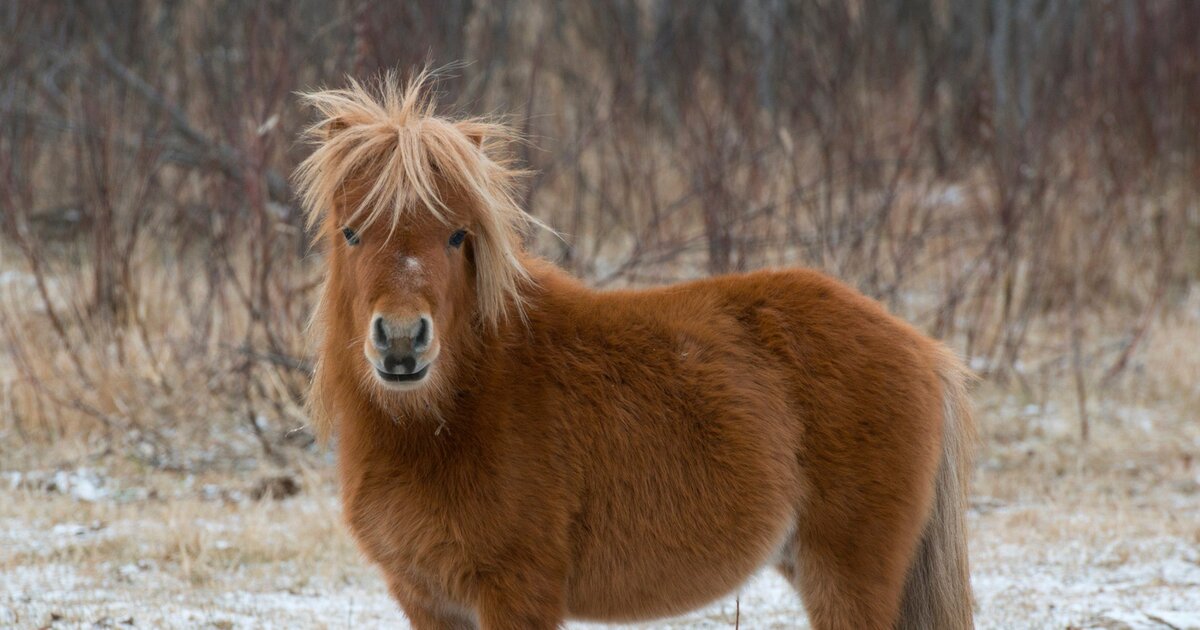
Pound for pound, the Shetland pony might be the toughest equine on Earth. And I mean that without a shred of exaggeration. These little horses survived for centuries on rocky, windswept islands where the grass barely grows, the winters are brutal, and the nearest veterinarian was a concept that wouldn't exist for hundreds of years. Everything about them, the thick double coat, the short legs, the unbreakable constitution, was forged by one of the harshest environments any domestic horse has ever called home.
Where They Come From
The Shetland Islands sit about 100 miles north of mainland Scotland, closer to Norway than to London. They're treeless, frequently battered by gales, and blanketed in fog for much of the year. Small ponies have lived on these islands since at least the Bronze Age, with archaeological remains suggesting equines were present as far back as 500 BCE and possibly earlier.
These weren't somebody's planned breeding program. Natural selection did most of the work. The ponies that survived were the ones who could thrive on sparse heather and seaweed (yes, Shetlands historically ate seaweed on the shore), grow dense enough coats to withstand horizontal sleet, and maintain enough body condition to breed successfully in conditions that would break a Thoroughbred in a week.
The islanders used them for everything: packing peat from the bogs, pulling carts, plowing small plots of land, and general transport. When the British government banned women and children from working in coal mines in 1847, mine operators turned to Shetland ponies to haul coal through tunnels too narrow for larger horses. Thousands of Shetlands were exported to mainland Britain for pit work. Many spent their entire lives underground. Never saw daylight after they went in. That fact alone tells you something about the breed's mental resilience.
Size and Conformation
The breed standard caps Shetlands at 42 inches (10.2 hands) at the withers, making them one of the smallest horse breeds in the world. The American Shetland Pony Club allows up to 46 inches. Most Shetlands fall somewhere between 28 and 42 inches, with a surprising amount of variation within the breed.
For their height, they're astonishingly strong. A Shetland pony can pull twice its own body weight, a feat no full-sized horse can match proportionally. Their bone is incredibly dense, their hooves are hard and well-formed, and their bodies are compact and muscular. The barrel is round, the back is short, and the legs are sturdy with good flat bone. Texas A&M's equine conformation resources note that the Shetland's bone density relative to body mass exceeds virtually every other light horse breed, which partly explains their remarkable load-carrying capacity.
The head is classic pony: small ears, broad forehead, intelligent eyes, and a generous jaw that reflects the breed's efficient ability to process low-quality forage. The mane and tail are thick and profuse, serving as genuine insulation in their native climate. In winter, a healthy Shetland grows a coat so dense that rain beads on the outer guard hairs while the undercoat stays completely dry against the skin.
Every color is represented in the breed. Bay, black, chestnut, gray, palomino, dun, roan, pinto: Shetlands come in the full spectrum. Piebald and skewbald patterns are common and perfectly acceptable in the breed standard.
Temperament: The Real Talk
Here's where we need to be honest. Shetland ponies are smart. Really, genuinely, problem-solving smart. And that intelligence comes with a streak of independence that can look an awful lot like stubbornness to someone who isn't prepared for it.
The "naughty pony" reputation isn't entirely unearned. Shetlands that are treated as lawn ornaments or pasture pets, not handled, not trained, not given boundaries, will absolutely run the show. They'll drag kids around, refuse to leave the barn, nip, kick, and generally behave like tiny dictators. It's not malice. It's a very smart animal doing what works when nobody has told it otherwise.
A well-trained, properly handled Shetland is a completely different animal. They can be kind, willing, brave, and remarkably sensible. Many of the best children's ponies in Britain are Shetlands who've been brought up with the same expectations and training you'd give any horse. The key is treating them like a horse, not a large dog. The moment you start carrying them around in your arms or letting them crowd your space because they're cute and small, you've lost the negotiation.
They're also incredibly tough mentally. Very little spooks a Shetland that's been properly socialized. The breed didn't survive those islands by being reactive; they tend toward boldness and curiosity rather than flight. I've watched Shetlands walk calmly past tarps, tractors, and barking dogs that had warmbloods three times their size losing their minds.
Uses Today
The primary modern role for Shetlands is as children's ponies, and in this capacity, a good Shetland is truly excellent. Their size is perfect for small children, their strength means they carry the weight easily, and their native sure-footedness makes them safer than taller, rangier ponies on uneven ground.
Driving is another area where Shetlands shine. Their pulling power is legendary, and they take to harness work naturally. Shetland pony driving classes are popular at shows across the US and UK, ranging from pleasure driving to competitive marathon driving where the ponies navigate obstacle courses at speed. The Shetland in harness is a genuinely thrilling sight. They've got this low center of gravity and explosive power that lets them corner like go-karts.
Therapy and companion animal work suits the breed well, too. Their small size is less intimidating for people with anxiety around horses, and their generally calm disposition makes them steady visitors to care homes and hospitals. Some facilities specifically request Shetlands because they can navigate hallways and elevators that no full-sized horse could enter.
In the Shetland Islands themselves, the ponies still roam semi-wild in some areas, maintained by crofters as part of the cultural heritage. The Shetland Pony Stud-Book Society, established in 1890, is one of the oldest breed registries in the world.
Care Considerations
Here's the thing about an animal evolved to survive on almost nothing: put it on modern, fertilized, sugar-rich pasture and you've got a metabolic time bomb.
Laminitis is the number one health threat for Shetland ponies, and it's almost entirely preventable with proper management. These ponies are spectacularly efficient at extracting calories from forage. Rich spring grass, lush fall regrowth, or unrestricted access to hay can push them into obesity and trigger laminitis faster than you'd believe. The Merck Veterinary Manual identifies native pony breeds as the highest-risk demographic for pasture-associated laminitis, and Shetlands sit right at the top of that list. Regular body condition scoring and managing their weight requires restricted grazing: track systems, grazing muzzles, dry lots, or timed turnout. Solid pasture management is essential for any Shetland owner.
Equine Metabolic Syndrome (EMS) is common in the breed and closely linked to laminitis risk. Ponies with EMS have insulin dysregulation that makes them even more susceptible to the inflammatory cascade that causes hoof damage. Cornell's endocrinology research group has published extensively on insulin dynamics in native pony breeds, demonstrating that Shetlands can exhibit hyperinsulinemia at pasture sugar concentrations that produce no response in Thoroughbreds. Regular metabolic blood panels are worth the money, especially for ponies that seem to gain weight by looking at food.
Hyperlipemia is a potentially fatal condition that's far more common in ponies than horses, and Shetlands are particularly prone. It occurs when a pony in negative energy balance, from illness, stress, late pregnancy, or too-aggressive dieting, mobilizes fat reserves too rapidly. The liver gets overwhelmed, blood fat levels spike, and organ failure can follow. UC Davis reports mortality rates exceeding 60% in severe cases. This is why crash-dieting an overweight Shetland is genuinely dangerous. Weight loss needs to be gradual and monitored. A pound or two per week, not ten.
Dental care is important because their small jaws can create crowding issues, especially with wolf teeth and the transition from baby teeth to adult teeth. Regular dental checkups every six to twelve months are essential for Shetlands, particularly young ones. Retained caps are common and can create painful points that make the pony head-shy or reluctant to accept a bit.
Hoof care follows normal equine guidelines, but Shetlands tend to develop strong, hard hooves that grow slowly. Regular trimming every six to eight weeks keeps things in order. Their feet were built for rocky terrain, and if they're on soft ground, they may need more frequent attention to prevent flaring. Be cautious about farriers who trim Shetlands like miniature Thoroughbreds. The pony foot has different proportions and different mechanics. A farrier experienced with native breeds is ideal.
Finding a Good Shetland
If you're looking for a child's pony, prioritize training and temperament over everything else. A well-started Shetland from a breeder who handles their ponies from birth is worth its weight in gold. Ask about the pony's history: has it been around children? How does it respond to being caught, led, groomed? Can it stand for the farrier and vet without drama?
Avoid the cheapest option. Untrained Shetlands are cheap for a reason, and the professional training required to make one safe and reliable for a child costs more than the initial purchase price. Buy the training, not just the pony.
Watch out for the "American Shetland" versus "Classic/Foundation Shetland" distinction in the US. American Shetlands have been crossbred with Hackney and other breeds to produce a taller, finer, high-stepping show pony that bears little resemblance to the original island breed. They're lovely animals in their own right, but if you want the classic Shetland temperament and hardiness, look for breeders working with traditional or foundation bloodlines.
These ponies live a long time. Thirty years is not unusual, and some make it well past that. The AAEP's senior horse care guidelines note that ponies generally outlive horses by five to ten years, with Shetlands frequently reaching their mid-thirties with good management. A good Shetland can carry every child in the family through their early riding years and still be going strong for the grandchildren. That's a remarkable return on a little horse that barely tops your waist.
📝 Explore breed profiles and more in our Courses. Check it out here.
Frequently Asked Questions
How tall is a Shetland Pony?
Shetland Ponies stand up to 42 inches (10.2 hands) at the withers. The breed standard caps height there, and most Shetlands fall between 36-42 inches. American Shetlands can be slightly taller, up to 46 inches, as the American registry allows it.
Are Shetland Ponies good for children?
They can be excellent children's mounts, but not all Shetlands are suitable. The breed is smart and can be stubborn, so a well-trained, older Shetland with an established work history is your best bet. Untrained Shetlands will outwit a beginner child in about five minutes.
How long do Shetland Ponies live?
Shetlands are famously long-lived, often reaching 30+ years. Some have documented lifespans exceeding 40 years. Their hardiness comes from centuries of surviving harsh conditions on the Shetland Islands with minimal shelter and sparse forage.
Do Shetland Ponies founder easily?
Yes. Shetlands are extremely prone to laminitis and metabolic issues because they evolved to thrive on minimal calories. Rich pasture, especially spring grass, is genuinely dangerous for them. Many need grazing muzzles, dry lots, or restricted turnout to stay healthy.
How much weight can a Shetland Pony carry?
The general rule is no more than 20% of body weight. A typical 400-pound Shetland should carry no more than 80 pounds total (rider plus tack). They are surprisingly strong for driving and pulling, historically hauling coal in mines, but saddle weight must be carefully limited.
Sources
- Texas A&M College of Veterinary Medicine - Equine Metabolic Syndrome tamu.edu
- Merck Veterinary Manual - Laminitis in Horses merckvetmanual.com
- Cornell University - Equine Endocrinology and Metabolic Disease cornell.edu
- UC Davis Center for Equine Health - Hyperlipemia in Ponies ucdavis.edu
- AAEP - Laminitis Prevention and Management aaep.org