Black Walnut Bedding Toxicity: A Preventable Cause of Laminitis
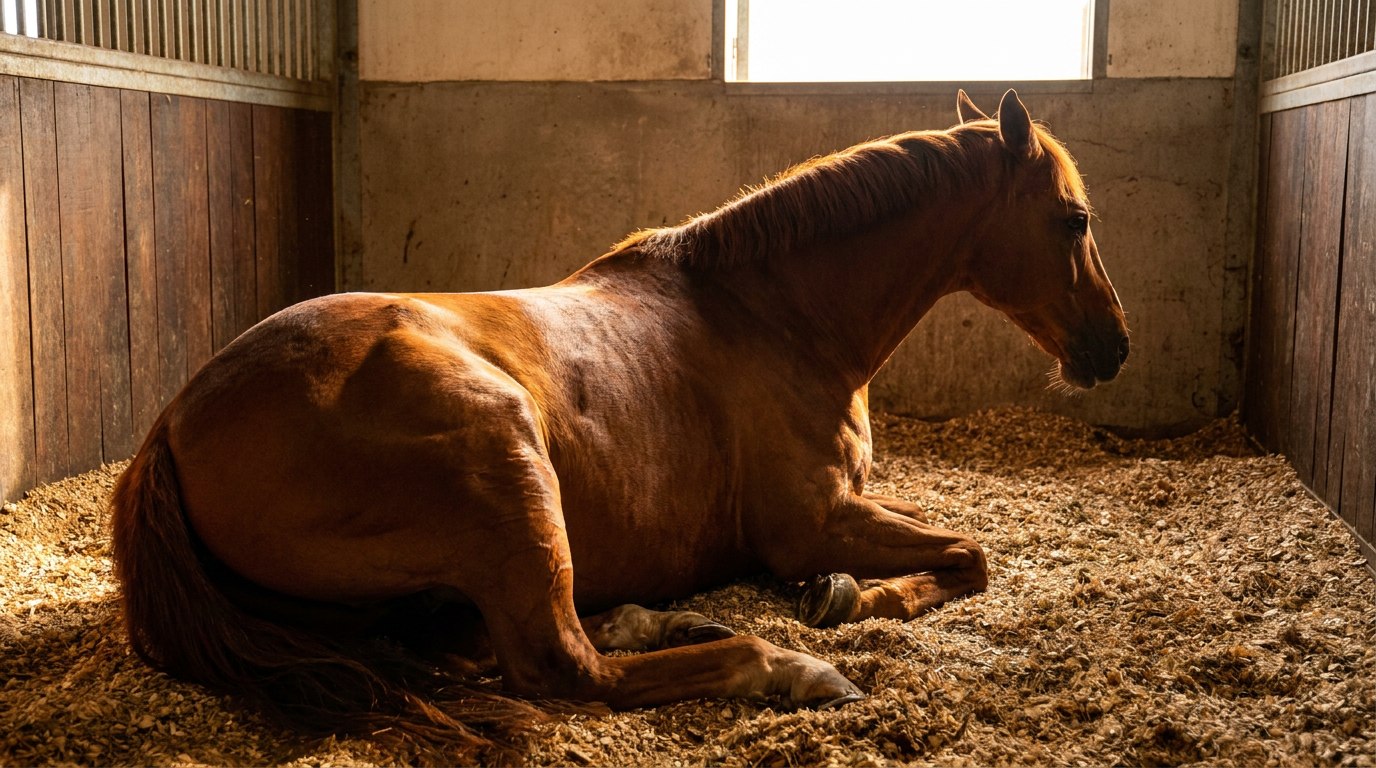
Here's a scenario that plays out more often than anyone would like to admit: a barn buys a load of shavings, fills the stalls, and within hours, horses start showing signs of laminitis. No dietary change. No excessive work on hard ground. No access to lush spring pasture. Just new bedding. The culprit? Black walnut shavings mixed into the load, sometimes making up as little as 5% of the total volume. Five percent. That's a handful of dark shavings scattered through an otherwise perfectly fine bag of pine.
Black walnut toxicity in bedding is one of those things that every horse person should know about but a shocking number don't encounter until they're standing in the barn aisle watching a horse rock back on its heels at two in the morning. Let's make sure you're not in that second group.
Why Black Walnut Is Dangerous
Black walnut (Juglans nigra) contains juglone, along with several related naphthoquinone compounds, that are profoundly toxic to horses through a mechanism researchers still don't fully understand. What is clear from studies conducted at multiple veterinary colleges over the past four decades is that these compounds trigger an explosive inflammatory cascade in the laminae, the delicate interdigitating tissue structures that connect the hoof wall to the coffin bone inside the hoof capsule. Texas A&M's equine research program has documented the inflammatory response beginning within hours of exposure, with measurable changes in digital blood flow preceding any visible clinical signs.
What makes this so insidious is the absurdly small dose required to cause serious harm. Research published through Cornell and other institutions has demonstrated that bedding containing as little as 5% to 20% black walnut shavings or sawdust can induce clinical laminitis within 8 to 12 hours of exposure. Some horses react even faster, showing limb edema within 4 to 6 hours. The toxin absorbs through skin contact with the lower legs and hooves. The horse doesn't need to eat it, doesn't need to ingest a single shaving, though obviously ingestion makes everything worse. Simple standing on contaminated bedding is sufficient to initiate the cascade.
Clinical signs typically begin with limb edema, a puffy swelling in the lower legs concentrated above the coronary band that most experienced horse people would recognize as abnormal immediately. The horse develops an increased digital pulse, that bounding arterial throb you can feel near the fetlock that signals inflammation inside the hoof capsule. Then comes the reluctance to move. The weight shifting. The rocking back onto the heels. The classic laminitis stance with front legs stretched forward, desperately trying to unload the toes where the pain is concentrated. In severe exposures, the horse may refuse to stand at all, lying down and resisting all attempts to get it up.
The Merck Veterinary Manual classifies black walnut toxicosis as one of the most reliably reproducible causes of acute laminitis in experimental settings, which is a clinical way of saying that this toxin works every time with terrible efficiency. If caught early and the bedding is removed immediately, most horses recover within several days with aggressive anti-inflammatory treatment. But if the exposure continues because nobody realizes what's happening, or treatment is delayed because the signs are attributed to something else, the damage to the laminae can progress to coffin bone rotation or distal displacement, which is a whole different level of devastating that may end a horse's soundness permanently.
How It Gets Into Your Barn
Nobody intentionally beds a stall with black walnut. The problem is contamination, and contamination happens more easily than you'd think. Black walnut trees are common throughout the eastern and central United States, growing wild in hedgerows and mixed hardwood forests from Massachusetts to Nebraska. Sawmills process whatever timber comes through the door, and they don't always sort their wood species with the kind of diligence that horse owners would prefer.
A batch of pine or mixed hardwood shavings gets processed on the same equipment that just ran black walnut lumber through, and suddenly you've got toxic bedding bagged up with a nice equine-friendly label and headed for horse barns across three states. The residual shavings left in chippers, conveyors, and bagging equipment from the previous run contaminate the next batch. Nobody at the mill thinks twice about it because for every other livestock species, and for most industrial applications, black walnut shavings are perfectly harmless. Horses are uniquely susceptible.
Small local sawmills present higher risk than large commercial operations, simply because they may process whatever timber comes in that week without tracking species or cleaning equipment between runs. But even major commercial shavings brands have been involved in documented incidents. UC Davis has recorded cases traced back to nationally distributed bedding products. The fundamental issue is that black walnut wood, once chipped into shavings, looks remarkably similar to other dark hardwoods. It's not like finding a rattlesnake in your hay. You can't easily spot it.
There are also risks with fresh wood chips or mulch used in paddock footing or sacrifice lot surfaces. If black walnut trees were processed at the same facility, or if branches fell from an overhanging walnut tree into the chip pile, you've got a problem lurking in your paddock footing. Even black walnut leaves, bark, and green hulls from the nuts contain enough juglone to potentially cause issues with prolonged contact, though the concentration in heartwood shavings is far higher and more dangerous.
Identification
Identifying black walnut shavings in a mixed batch isn't easy. Let's be honest about that. But there are clues worth knowing, and paying attention to them has saved horses.
Color. Black walnut heartwood is distinctly dark, a rich chocolate brown to deep purplish-brown that's genuinely beautiful as furniture wood and genuinely terrifying as horse bedding. In fresh shavings, it stands out against lighter-colored pine or spruce like a sore thumb. But weathered or mixed in with other hardwoods like oak or hickory, the distinction blurs significantly, and you'd need to really be looking to notice.
Smell. Some people describe black walnut as having a slightly sharp, astringent, almost bitter scent distinct from the sweet resinous smell of pine or the aromatic punch of cedar. But this isn't reliable for identification purposes, especially in a mixed batch where pine scent dominates everything.
Staining. Black walnut shavings can stain your hands notably darker than most other wood species. If you grab a handful of shavings from a new delivery and notice unusual dark brown staining on your palms that doesn't wash off easily, pay very close attention. Juglone itself is a natural dye that has been used to stain wood and fabric for centuries.
Ask your supplier. This is the real answer. The only consistently reliable prevention method. Know where your shavings come from. Ask specifically whether black walnut is processed at the same facility. Ask whether equipment is cleaned between species runs. Get it in writing if you can. A reputable supplier who caters to the equine market should be able to confirm their wood sources and processing protocols without hesitation. If they can't answer the question or seem annoyed that you're asking, find a different supplier.
If you ever open a delivery and something looks off, darker than usual, unfamiliar smell, different texture than what you normally receive, don't use it. Set it aside. Call the supplier. The cost of one wasted load of shavings is nothing, absolutely nothing, compared to a laminitis emergency involving multiple horses that could cost thousands in veterinary bills and potentially end careers or lives.
What to Do If You Suspect Exposure
Time matters enormously here. Every hour of continued contact increases the severity of laminar damage. If you notice signs of laminitis and suspect bedding contamination:
Remove the horse from the bedding immediately. Right now. Not after you finish your coffee. Get them onto clean ground. A clean stall with fresh bedding from a different source, a paddock with grass or dirt footing, rubber mats, a concrete aisle with leg wraps. Anything without the suspect shavings.
Wash the legs and hooves thoroughly. Use soap and water, scrubbing from the knee and hock down to physically remove any residual material from the skin and hoof capsule. The toxin enters through dermal contact, so getting it off the skin quickly helps limit ongoing absorption. Don't be gentle about it. Scrub.
Call your vet. This is emphatically not a "wait and see" situation. Early aggressive intervention with anti-inflammatories, typically NSAIDs like phenylbutazone or flunixin meglumine at therapeutic doses, combined with icing the hooves in ice boots or buckets, and appropriate supportive care can make the difference between a horse that recovers fully in five days and one that ends up with permanent hoof damage requiring months of corrective shoeing. The AAEP recommends continuous cryotherapy (icing) for at least 48 to 72 hours following acute laminitis onset from any cause, and black walnut toxicosis is no exception.
Remove the bedding from every stall that received the suspect load, even if those horses aren't showing signs yet. Individual sensitivity varies dramatically. Some horses may not show signs for several more hours after their stablemates are already clearly affected. Don't wait for confirmation from every horse in the barn. Strip every stall that got the new shavings. All of them. Now.
Save a sample of the bedding in a sealed bag. Your vet may want it for laboratory confirmation, and you'll want physical evidence if you need to report the supplier, file an insurance claim, or pursue legal action. Photograph the bedding in the stalls before removal as well.
Safe Bedding Alternatives
So what should you be bedding with? the encouraging part is that the vast majority of common bedding materials are completely safe for horses, and options have actually expanded significantly in recent years:
Kiln-dried pine shavings are the industry standard for equine bedding and perfectly safe. The kiln-drying process reduces dust and moisture content, which is a bonus for respiratory health as well. Look for shavings specifically marketed for equine use from suppliers who can confirm species sourcing, as these products are far more likely to be properly sorted and tested than generic sawmill byproducts.
Straw, whether wheat, barley, or oat, is traditional bedding that's been keeping horses comfortable for thousands of years. It's safe, readily available in agricultural areas, and relatively inexpensive. The downsides are that it's dustier than shavings, less absorbent, and some horses treat it as an all-you-can-eat buffet rather than bedding. Rye straw is often considered the best choice because horses find it less palatable, though it can be harder to source depending on your region.
Paper and cardboard bedding is gaining popularity, especially for horses with respiratory conditions like inflammatory airway disease or heaves. It's virtually dust-free and obviously carries zero wood toxicity risk. Absorption is decent. The main complaints are aesthetics (it doesn't look as "nice" as golden shavings) and availability, though production has increased substantially.
Pelleted bedding made from compressed wood pellets that break down into fluffy, absorbent material when they contact moisture is an excellent option. These are typically manufactured from kiln-dried softwoods, primarily pine, and expand to roughly three times their compressed volume when wetted. Most major brands are species-certified and sourced exclusively from known timber species.
Hemp bedding is a newer entrant to the equine market that's earning devoted followers. It's highly absorbent (some manufacturers claim four times the absorption of traditional shavings), low-dust, naturally resistant to mold, and completely free of any wood-related toxicity concerns because it's not wood at all. It composts faster than shavings too. The drawback is price. Hemp bedding costs significantly more per bale than pine shavings, though advocates argue the increased absorption means you use less overall.
Avoid: Cedar shavings, because the aromatic phenolic oils that make cedar smell pleasant can cause respiratory irritation and liver enzyme changes in horses housed on them in enclosed stalls over time. And obviously avoid any hardwood shavings from unknown or unverified sources. Beyond black walnut, cherry wood and red maple are also toxic trees, primarily dangerous if ingested but worth avoiding in bedding as a general principle. Yew is lethally toxic if eaten, though its use in shavings production is essentially unheard of.
Prevention
Prevention comes down to knowing your supplier and being unwilling to compromise on that knowledge for the sake of saving a few dollars per load. Buy from companies that specifically cater to the equine market and understand the stakes involved. Ask about their sourcing, their processing protocols, and whether black walnut passes through their facility at any point. Don't buy the cheapest random load of sawmill waste off Craigslist or Facebook Marketplace. That's where the overwhelming majority of exposure incidents originate, from well-meaning but uninformed sellers moving ungraded mill byproducts that nobody bothered to test or sort.
If you run a barn, consider including bedding sourcing protocols in your written management plan. Keep supplier records, including lot numbers if available, so that if there's ever an incident you can trace it back precisely. Educate everyone at your facility, boarders, barn staff, working students, volunteers, about what black walnut shavings look like and why they're dangerous. Post a photo in the feed room. Make it part of new employee orientation. The person most likely to discover a contaminated load is the one bedding stalls at six in the morning, and that person needs to know what to watch for.
Keep your supplier's emergency contact number posted alongside your vet's number. Knowing when to call the vet can make all the difference in these situations. If something looks wrong with a delivery, you need to be able to reach both within minutes.
It's one of those entirely preventable emergencies that shouldn't happen but does, every single year, because someone didn't know. Now you do.
🔍 See the laminae that are damaged by black walnut toxicity in our 3D Explorer. Check it out here.
Jaynee's Note: A friend bought discount shavings that turned out to have black walnut mixed in, and her horse foundered within hours. Cheapest bedding she ever bought ended up being the most expensive lesson.
Frequently Asked Questions
Can black walnut shavings kill a horse?
Black walnut exposure is rarely fatal if caught early, but it can absolutely be life-threatening if laminitis develops and goes untreated. As little as 5-20% black walnut content in shavings can trigger a severe reaction within hours. The key is immediate removal from the contaminated bedding and aggressive veterinary treatment.
How quickly do horses react to black walnut bedding?
Symptoms typically appear within 8-12 hours of exposure, though some horses react in as few as 3-4 hours. Early signs include limb edema (stocking up), reluctance to move, increased digital pulses, and elevated heart rate. Laminitis can develop within 12-24 hours of initial exposure.
What part of the black walnut is toxic to horses?
The heartwood (inner wood) and bark contain the highest concentrations of juglone and related toxins. Sapwood (outer wood) contains lower levels. The exact toxic compound responsible for the laminitis cascade has not been definitively identified, though juglone is the primary suspect. Even sawdust from milling black walnut lumber is dangerous.
What should I do if my horse was exposed to black walnut shavings?
Remove the horse from the stall immediately. Wash all four legs and hooves thoroughly with soap and water to remove any contact residue. Call your veterinarian. Treatment typically includes anti-inflammatories (flunixin meglumine), cryotherapy (icing the feet), and mineral oil via nasogastric tube if ingestion is suspected. Time is critical.
How do I make sure my shavings are black walnut free?
Buy from reputable suppliers who guarantee their product is black walnut free. Ask specifically. Inspect shavings visually for dark-colored wood, though this is not foolproof since many wood species are dark. Kiln-dried pine or spruce shavings from dedicated equine suppliers are the safest option. Never use mixed hardwood shavings of unknown origin.
Sources
- "Black Walnut Toxicosis in Horses" - Merck Veterinary Manual merckvetmanual.com
- "Laminitis - Risk Factors and Prevention" - AAEP aaep.org
- "Black Walnut Shavings as a Cause of Acute Laminitis" - Texas A&M Veterinary Medical Teaching Hospital tamu.edu
- "Toxic Plants and Substances Affecting Horses" - Cornell University Plant Toxicology cornell.edu
- "Equine Laminitis: Managing and Preventing" - UC Davis Center for Equine Health ucdavis.edu
Want to understand every laminitis trigger?
Our Lameness course covers toxic causes, metabolic links, and prevention strategies.
Start the Lameness CoursePro members only. Try Pro free for 7 days.